 IE
IE 

 Login/Create Account


 353818882077
  Menu
Menu  353818882077
 Top Attractions in Barcelona Worth the Hype: Unveiling the Must-See Sights
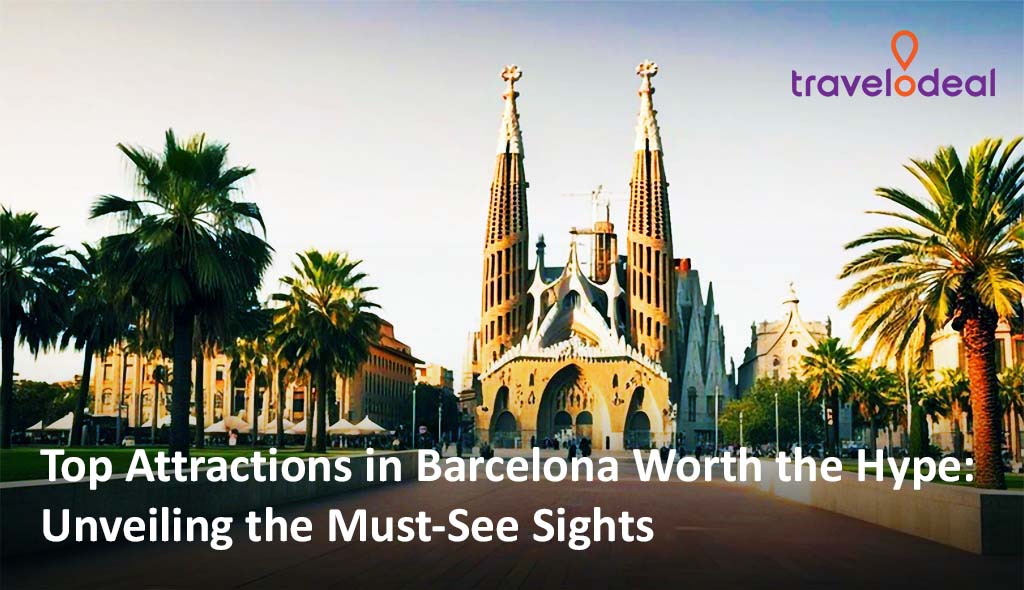
Barcelona earns its reputation as one of Europe’s most rewarding city breaks: Gaudí’s architecture, centuries of history and a genuine art scene sit close together, reason enough for planning holidays to Barcelona.
Beyond the Sagrada Família and Park Güell, the city runs on tapas bars, football and long walks down La Rambla, with Camp Nou, Montjuïc and the quiet green of Parc de la Ciutadella waiting past the postcard sights.
Gaudí’s Architectural Marvels
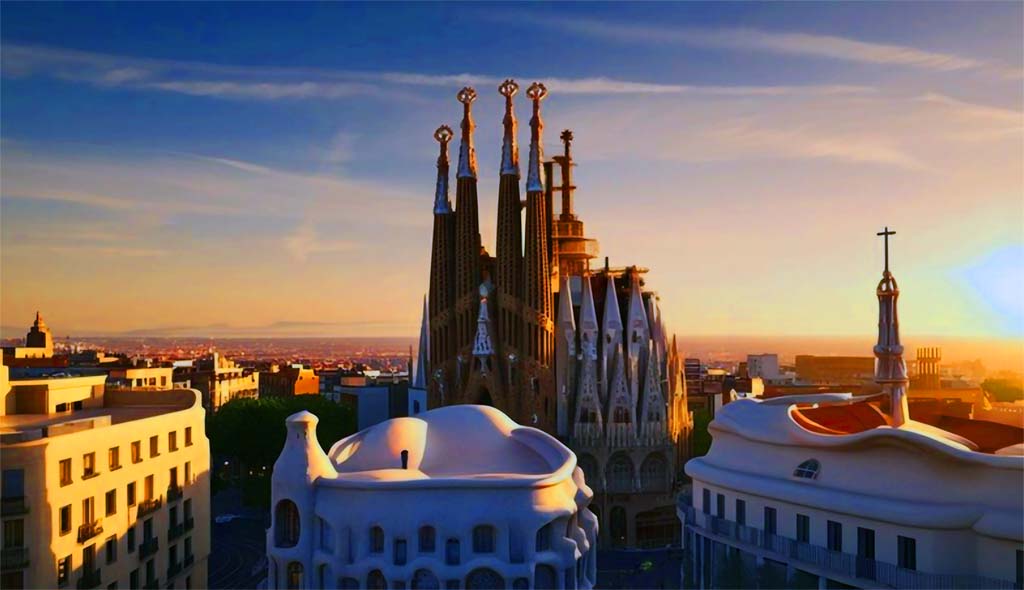
Sagrada Família anchors any first visit: still under construction after more than a century, it rewards a slow look rather than a quick photo, and tickets sell out well ahead in summer, so book online rather than queueing at the door. Park Güell, shaped entirely by Gaudí’s imagination, is full of pavilions, terraces and mosaics; the lizard mosaic near the entrance draws the longest queue, so arrive early, and the upper terraces give a real skyline view free of charge.
Casa Batlló earned its nickname, the house of bones, from curves and tile that read more like sculpture than architecture, while Casa Milà (La Pedrera) pairs a quarry-like facade with rooftop chimneys shaped like helmeted warriors; both run timed tickets worth booking ahead. Casa Vicens, Gaudí’s first project, shows his style before it matured, tucked in Gràcia where crowds run thinner than at the famous buildings.
The Historic Gothic Quarter and Barcelona Cathedral
The Gothic Quarter, or Barri Gòtic, blends medieval streets with a genuinely lived-in neighbourhood. Its foundations reach back to Roman Barcino: beneath Plaça del Rei, preserved Roman-era walls sit visible through the MUHBA museum’s underground galleries, below a square that once hosted the Catalan royal court.
The Barcelona Cathedral anchors the district, its Gothic spires visible from several surrounding squares. A cloister at its side houses thirteen white geese, tied to Saint Eulàlia, the city’s patron saint, martyred at thirteen; the roof terrace, open for a small fee, gives views over the whole quarter.
Deeper into the quarter, small squares turn up independent shops and cafes carrying the same spirit as the bigger sights. Plaça Reial, just off La Rambla, adds cafes and palm trees, and after dark it’s home to Los Tarantos, a long-running flamenco tablao; bars here and in neighbouring El Born stay busy well past midnight.
The Vibrant Atmosphere of La Rambla
La Rambla runs as the bustling spine of central Barcelona, from Plaça de Catalunya down toward the harbour, past Joan Miró’s pavement mosaic and the produce stalls of La Boqueria Market. Pickpockets work this stretch simply because of the heavy foot traffic, so bags zipped and phones out of back pockets is worth the minor hassle, and prices climb the closer a table sits to the promenade, with the same food a block off costing less.
Cultural Experiences: Picasso Museum, Fundació Joan Miró and Palau de la Música
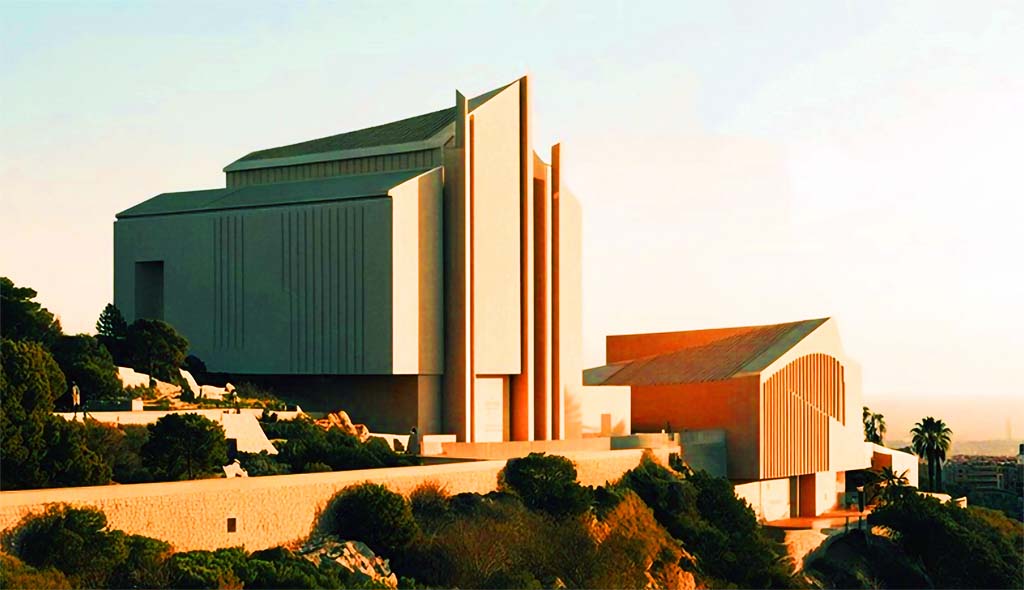
The Picasso Museum holds one of the most complete collections of the artist’s early work anywhere, housed across five connected medieval mansions where the setting matters almost as much as the art. A short distance away on Montjuïc, Fundació Joan Miró shows Miró’s paintings and sculpture, tied closely to his relationship with Catalonia.
Palau de la Música Catalana rounds out the city’s cultural landmarks, a concert hall built in a swirl of stained glass and mosaic and counted among the finest Catalan Art Nouveau buildings in Spain. A daytime tour, even without a concert ticket, is worth the detour.
Camp Nou: Home of FC Barcelona
Camp Nou reopened in November 2025 after a major renovation, running at a reduced capacity of around 62,000 while work continues; full capacity, near 105,000, isn’t expected until late 2027. The classic changing-rooms-and-tunnel tour is paused, replaced by the Barça Immersive Tour, covering the club museum and a viewpoint over the construction. Match tickets sell out quickly for the biggest fixtures, so book as soon as the fixture list is confirmed.
Montjuïc: Castle, Cable Car and the Magic Fountain
Montjuïc rises above the harbour, reachable by cable car or funicular, with some of the best views in the city. Montjuïc Castle sits at the summit, its ramparts open for views from the port to the mountains behind.
Down at the base of the hill, the Magic Fountain puts on a free evening show, with music, light and water drawing a large weekend crowd; arrive thirty minutes early and it’s still standing room only. The Olympic Stadium, built for the 1992 Games, still hosts events, and Fundació Joan Miró sits on the same hill, an easy add-on.
If one hilltop isn’t enough, Tibidabo works well, on the opposite side of the city with a different character: a funicular and the vintage Tramvia Blau carry you up to the Temple del Sagrat Cor, where the whole city opens up. Right beside it, Tibidabo Amusement Park, open since 1899, ranks among the oldest amusement parks still running anywhere.
Parc de la Ciutadella and Barceloneta Beach
Parc de la Ciutadella gives central Barcelona its main green space, with rowing boats crossing the lake and a fountain partly designed by a young Gaudí; the nearby Barcelona Zoo sits inside the same park, and weekday mornings offer the quietest stretch for a walk.
A short walk from the park leads to Barceloneta Beach, the most convenient stretch of sand from the old town. Beach bars line the promenade with grilled seafood in sight of the water, and it stays swimmable from late spring through early autumn.
Embrace the Magic of Barcelona’s Top Attractions
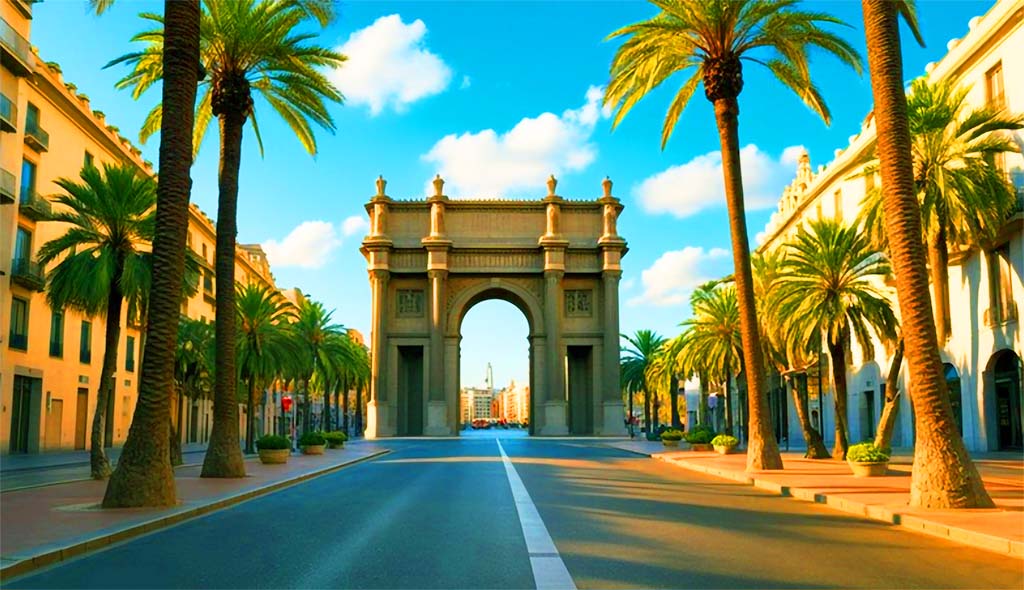
Barcelona rewards mixing the famous sights with a bit of wandering. Gaudí’s buildings anchor most itineraries, but the city’s character shows up just as clearly at Camp Nou, on the Montjuïc cable car, over tapas near the Gothic Quarter, or at a flamenco show in Plaça Reial. Together, these add up to a fuller picture of the city than the headline landmarks alone. Most of this fits into three or four days without rushing from one sight to the next. Travelodeal handles the flights and hotel as a single Barcelona booking, so getting there is the easy part.
Frequently Asked Questions (FAQs)
What’s the best time to visit Barcelona?
Late spring and early autumn bring the most comfortable weather, with warm days and thinner crowds than peak summer, though the mild climate keeps a trip workable in most seasons.
How do you get around Barcelona?
The metro covers most of the city efficiently, and a Hola Barcelona travel card gives unlimited rides across metro, bus and tram. Many top sights sit close enough together to cover on foot, while a taxi or rideshare suits late nights better.
Are there good day trips from Barcelona?
Girona and Montserrat both work well, each under two hours away by train. Girona offers a medieval old town whose cathedral stood in for King’s Landing in a well-known TV series, while Montserrat pairs a mountain monastery with hiking trails and sweeping views.
Is Barcelona good for families with kids?
Yes. Barcelona Zoo, the beaches and the Magic Fountain suit children well, and Park Güell gives them space to explore. Tibidabo Amusement Park makes for a great family day out, with CosmoCaixa science museum nearby as a rainy-day backup.
How many days do you need in Barcelona?
Three to four days covers the essentials: Gaudí’s buildings, the Gothic Quarter, La Rambla, and an extra like Camp Nou or Montjuïc. A longer stay leaves room for a day trip.

Shubhangee Soni is someone who finds peace in plane tickets and punchy prose. A wanderer at heart and a writer by passion, she aims to help you feel a place through her words—not just see it. Whether she’s soaking up serenity in Bhutan or hunting street eats in Singapore, she’s all about the stories that stick. Expect quirky perspectives, honest travel tales, and a dash of inspiration in everything she writes.


