
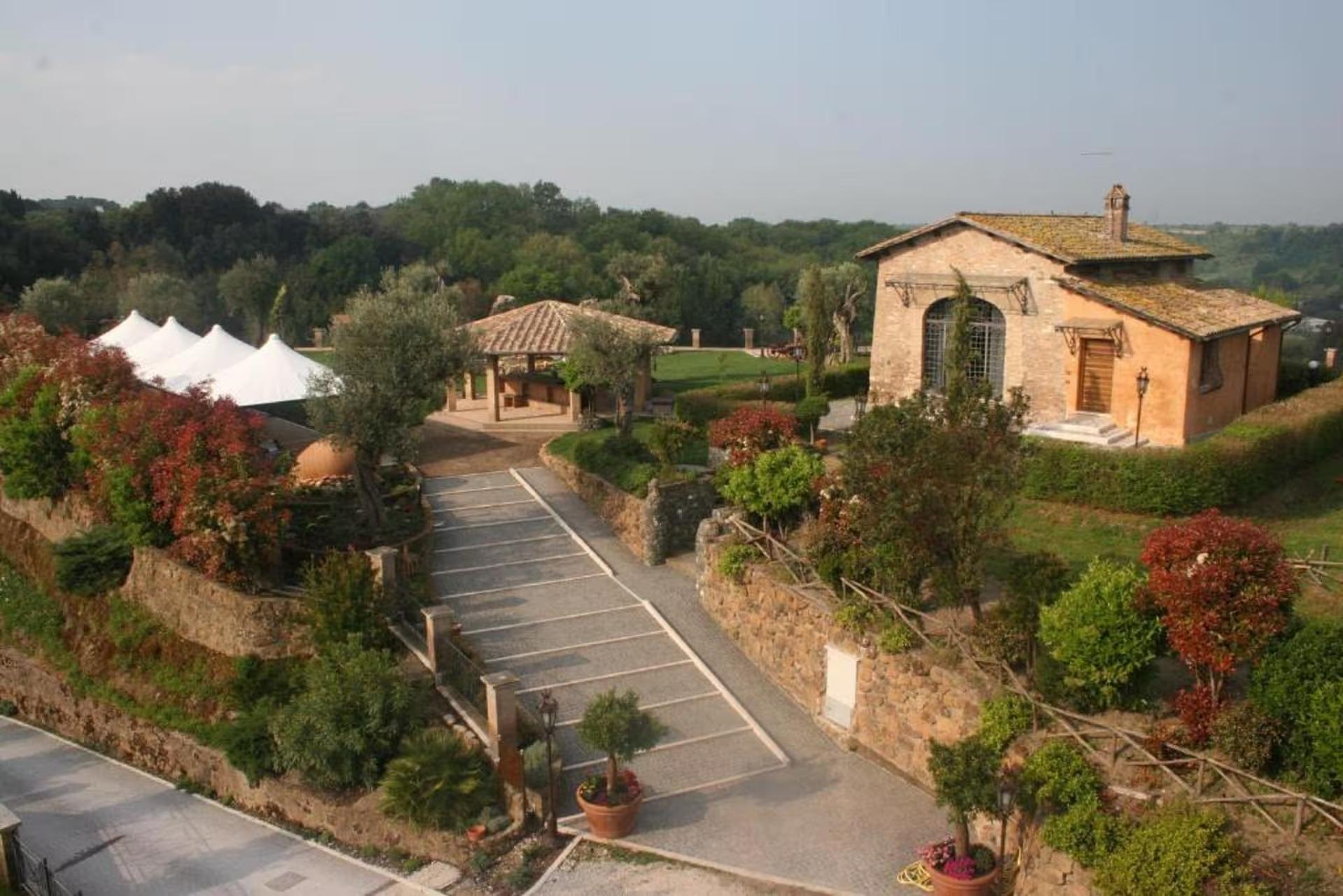
 Country HouseBed And Breakfast
4.1Very Good557 reviews
Relais Castrum Boccea
Area Nord della citta, Rome
- Flights included
- 29 Nov 2026 – 3 Nights
- Bed And Breakfast
€139pp
Rome Holidays
 Country HouseBed And Breakfast
Area Nord della citta, Rome
€139pp
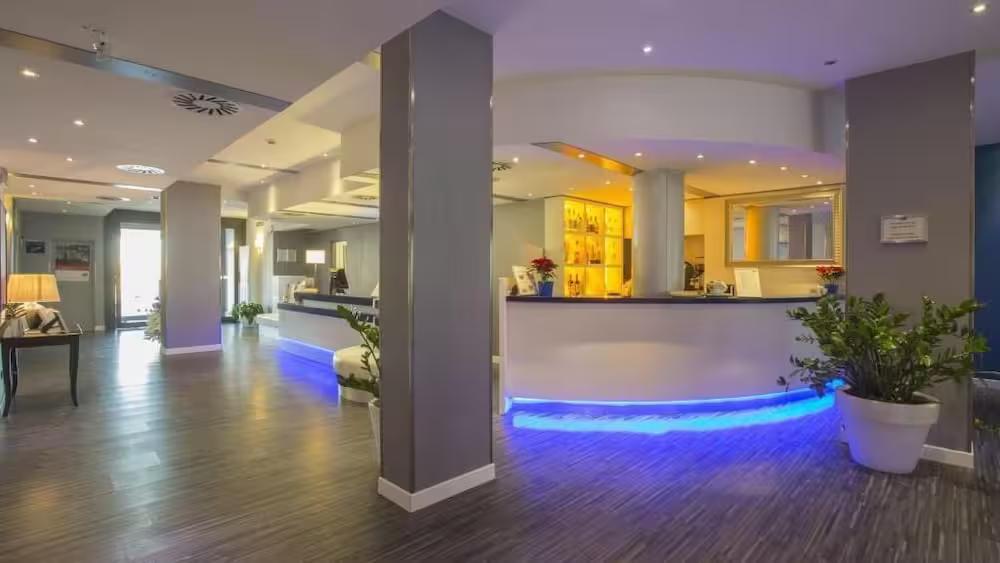 City HotelRoom Only
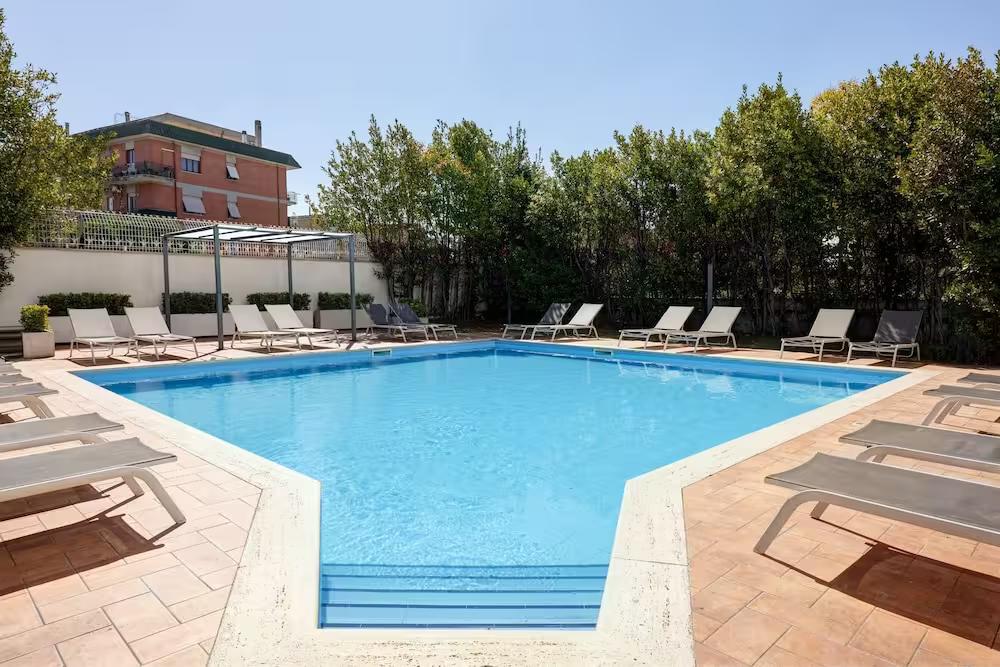 City HotelRoom Only
North-East Area, Rome
€149pp
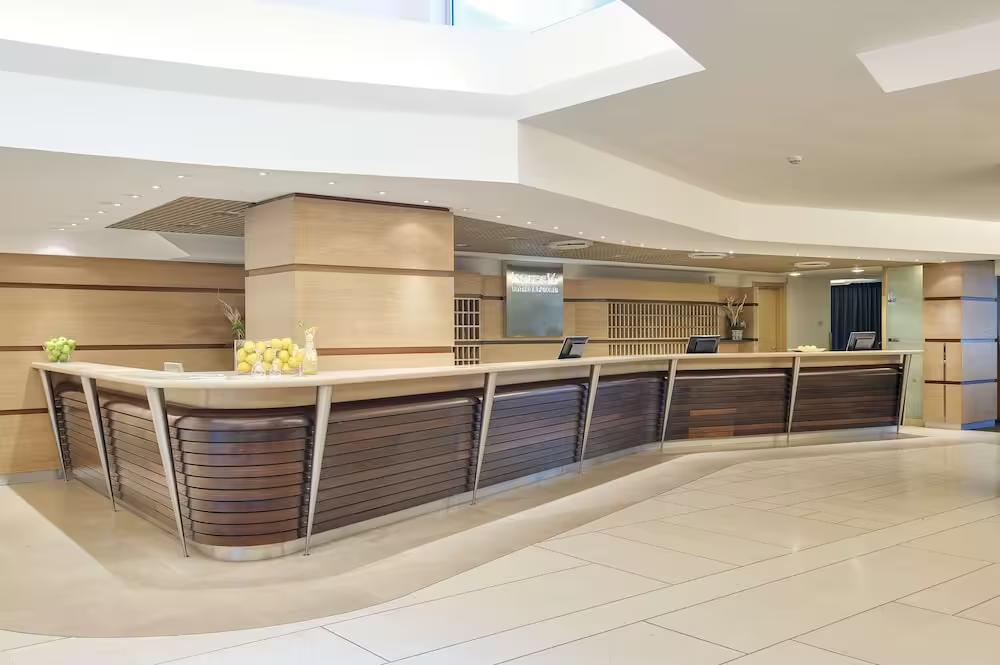 Room Only
Eur, Rome11.0km from the city centre
€149pp
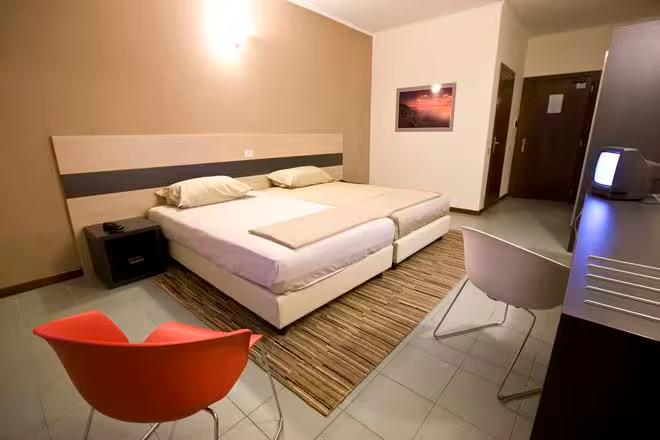 City HotelBed And Breakfast
Aeroporto di Ciampino, Rome
€149pp
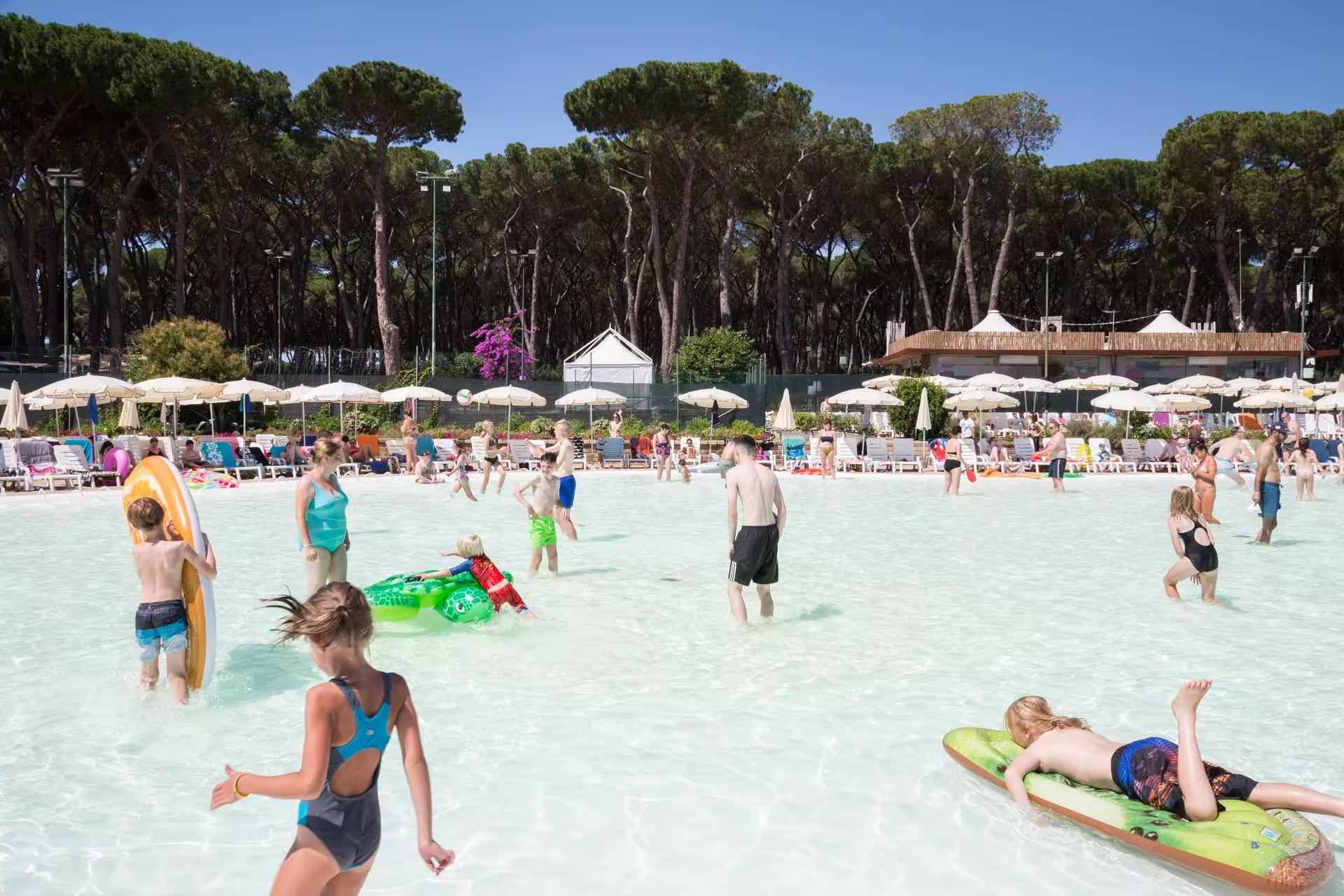 VillageRoom Only
Ostia, Rome8.0km from the beach
€149pp
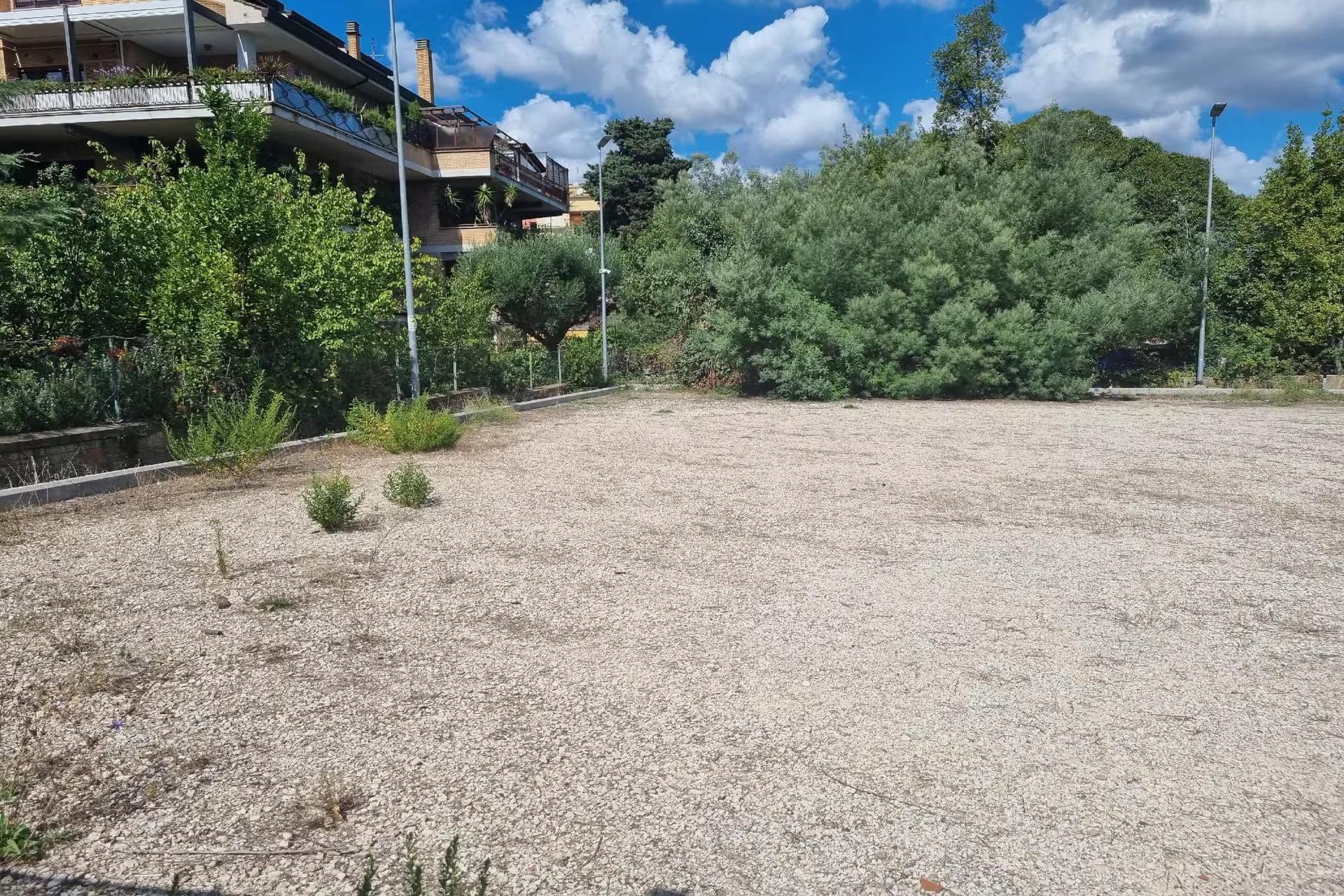 Room Only
Via Aurelia - Pineta Sacchetti, Rome
€149pp
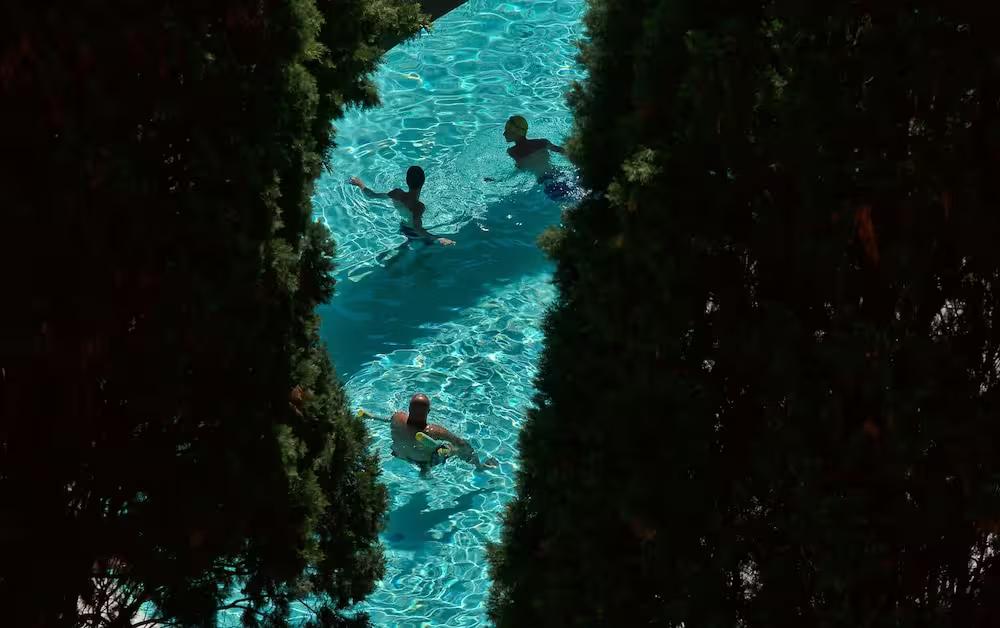 City HotelBed And Breakfast
Stadio Olimpico, Rome12.0km from the city centre
€159pp

No other city layers 2,000 years of continuous occupation into a single walkable centre. The Pantheon has been in uninterrupted use since 125 AD; the Forum was the administrative centre of an empire stretching from Scotland to Mesopotamia. This is not a museum piece — it is a living city built on its own past.

Roman cuisine is one of the most distinct regional traditions in Italy — cacio e pepe, coda alla vaccinara, supplì, artichokes alla giudia — and the trattoria culture behind it is alive in Testaccio and Trastevere. Eating well here takes almost no effort.

The Vatican Museums hold the Sistine Chapel, the Raphael Rooms, and one of the largest art collections on earth. The Borghese Gallery — timed slots only — houses Bernini sculptures that stop visitors mid-step. Both reward proper attention.

Trastevere's medieval lanes feel entirely different from the grand baroque piazzas around Piazza Navona or the working-class energy of Testaccio. Choosing the right base shapes the whole experience.

Direct routes from Dublin, Cork, and Shannon reach Rome's two airports in under three hours. A long weekend is viable; a week is even better.

The historic centre is roughly 3 km across, and the Colosseum, Palatine Hill, the Forum, and the Capitoline Museums are all within 15 minutes of each other. For a capital city, Rome is easy to navigate without a car.


Rome divides into distinct neighbourhoods, and each delivers a different type of stay. The quick finder below matches traveller type to the right base — the wrong neighbourhood is the most common source of avoidable disappointment. Rome's key sights each deserve proper time:
The Colosseum & Roman Forum: The Colosseum (completed 80 AD, capacity 50,000) and the Forum directly behind it account for the best single half-day in the city. Book timed entry in advance — queues at the gate run to two hours in peak season. The Palatine Hill is on the same ticket. For visitors considering Rome package holidays, skip-the-line entry is frequently included as standard.
Vatican City: The Vatican Museums, Sistine Chapel, and St Peter's Basilica sit within a few hundred metres of each other. The Sistine Chapel ceiling — painted by Michelangelo between 1508 and 1512 — is the centrepiece, but the Raphael Rooms before it are just as significant. Allow four hours minimum.
Trastevere: Rome's best-preserved medieval neighbourhood, on the west bank of the Tiber south of the Vatican. Evenings here — tables on the cobbles, no tourist menu in sight — are among the best Rome delivers, and accommodation runs below the historic centre average, making it a natural anchor for cheap holidays to Rome.
Testaccio: The old slaughterhouse district, now Rome's most serious food neighbourhood. The covered market covers local produce, street food, and supplì stalls that regulars plan their morning around. Worth a half-day for anyone serious about eating.
Piazza Navona & the Pantheon quarter: Five minutes apart on foot, they account for the most concentrated stretch of baroque architecture in Europe. The Pantheon's concrete dome — 43.3 metres across — has remained the world's largest for nearly 1,900 years.
Between ancient monuments, world-class museums, and a neighbourhood food culture that takes serious planning to do justice to, things to do in Rome extend well beyond the standard checklist.
Colosseum & Palatine Hill: Pre-booked timed entry is essential from April through October — same-day tickets at the gate are rarely available. The underground hypogeum requires a separate add-on ticket and is worth it. The Palatine Hill offers the best elevated view over the ruins.
Vatican Museums & Sistine Chapel: The standard route takes two to three hours before you reach the Sistine Chapel. An early-morning access ticket cuts the crowds significantly and is the option we recommend most. St Peter's Basilica and the dome climb are free and separate from the museum ticket.
Borghese Gallery: Capped at 360 visitors per two-hour slot, the Borghese is the most intimate major gallery in Rome. Bernini's Apollo and Daphne (1625) and Pluto and Persephone are in the same room — walk around them. Book two months ahead for spring and autumn weekends.
Day trip to Ostia Antica: Rome's ancient harbour city, 30 km southwest, is 45 minutes on the Roma-Lido train from Piramide station. The multi-storey insulae and intact theatre give a more complete picture of daily Roman life than Pompeii in several respects — and almost no queues, even in high season.
Trastevere evening walk: The neighbourhood changes character entirely after 6 pm. A walk from Piazza Santa Maria in Trastevere south through the medieval lanes, with aperitivo at one of the bars on Via della Scala, is the most reliably enjoyable free evening in Rome. Dinner at a trattoria here costs noticeably less than the equivalent in the Centro Storico.
April, May, September, and October are the months we recommend most consistently — temperatures between 18°C and 26°C, manageable crowds, and the full range of flights from Ireland. June is warm but busy. July and August are the most crowded; the second half of August quietens as Romans leave for the coast.
Weekly in your inbox — handpicked package deals and price drops before they sell out.
Our Privacy Policy