
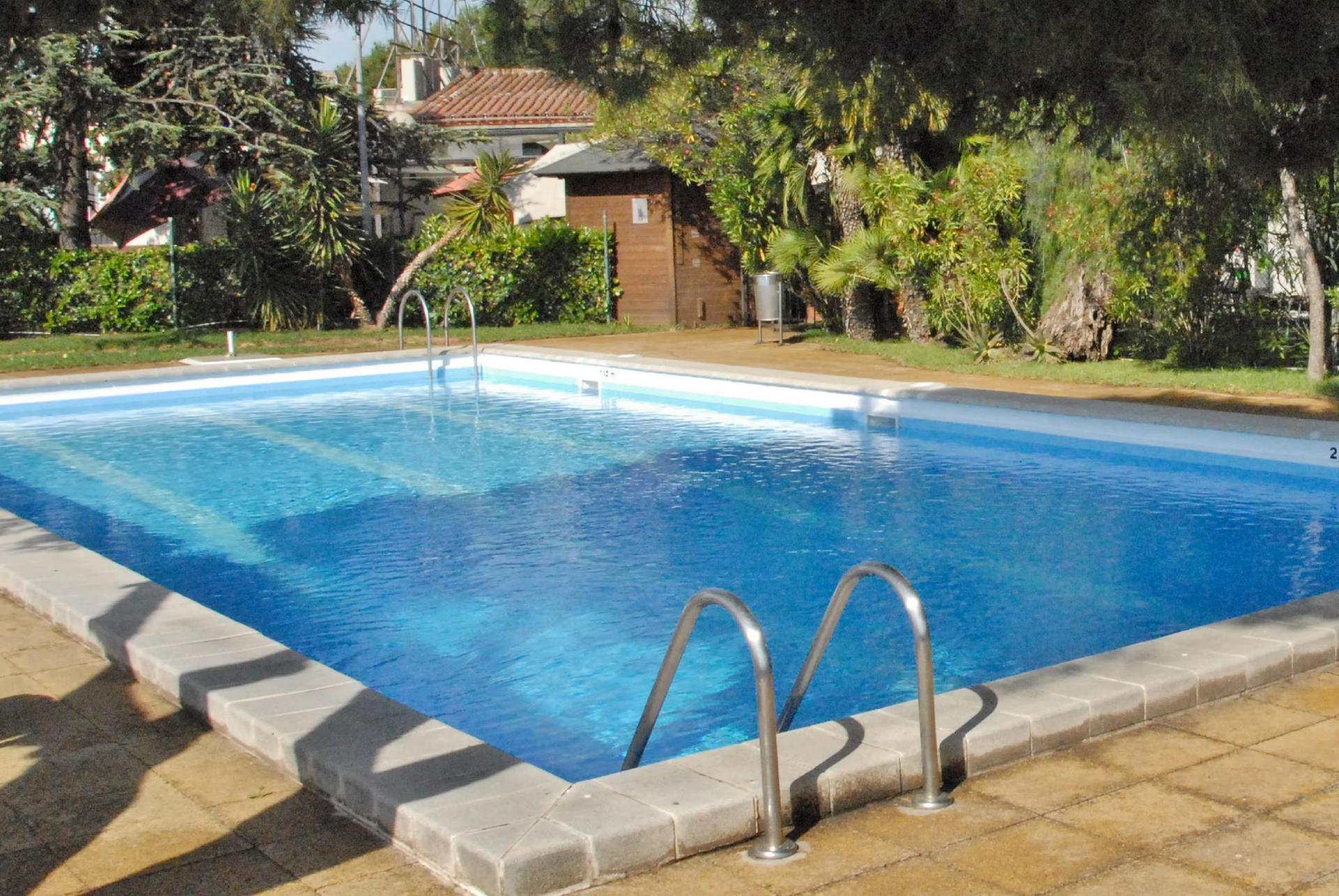
 Room Only
3.6Good507 reviews
El Castell
Sant Boi de Llobregat, Barcelona10.0km from the beach
- Flights included
- 15 Dec 2026 – 3 Nights
- Room Only
€139pp
Barcelona Holidays
 Room Only
Sant Boi de Llobregat, Barcelona10.0km from the beach
€139pp
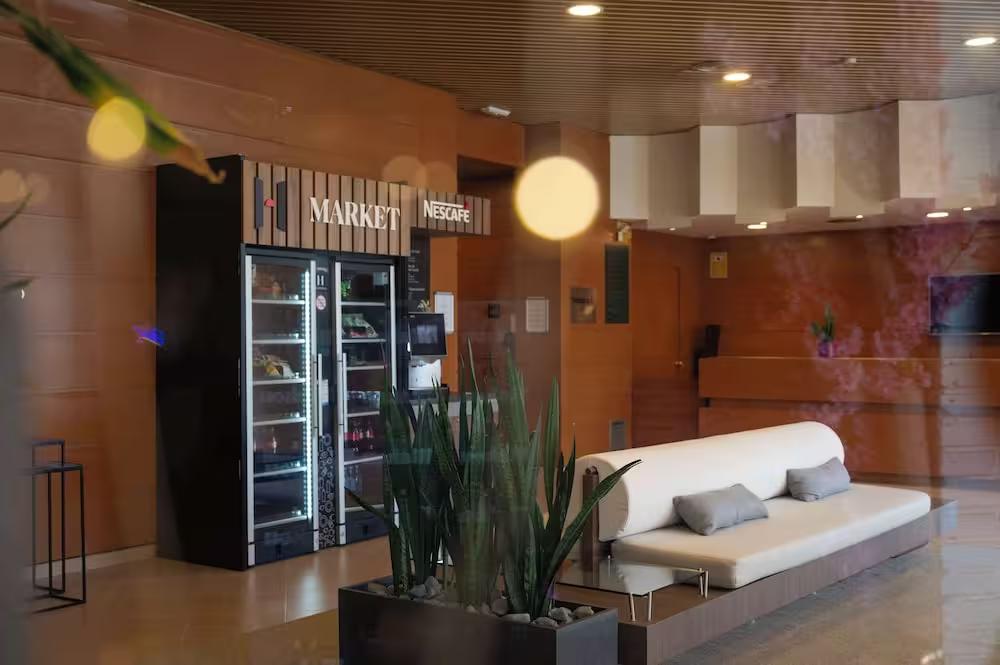 Room Only
Sant Joan Despi, Barcelona3.0km from the beach
€149pp
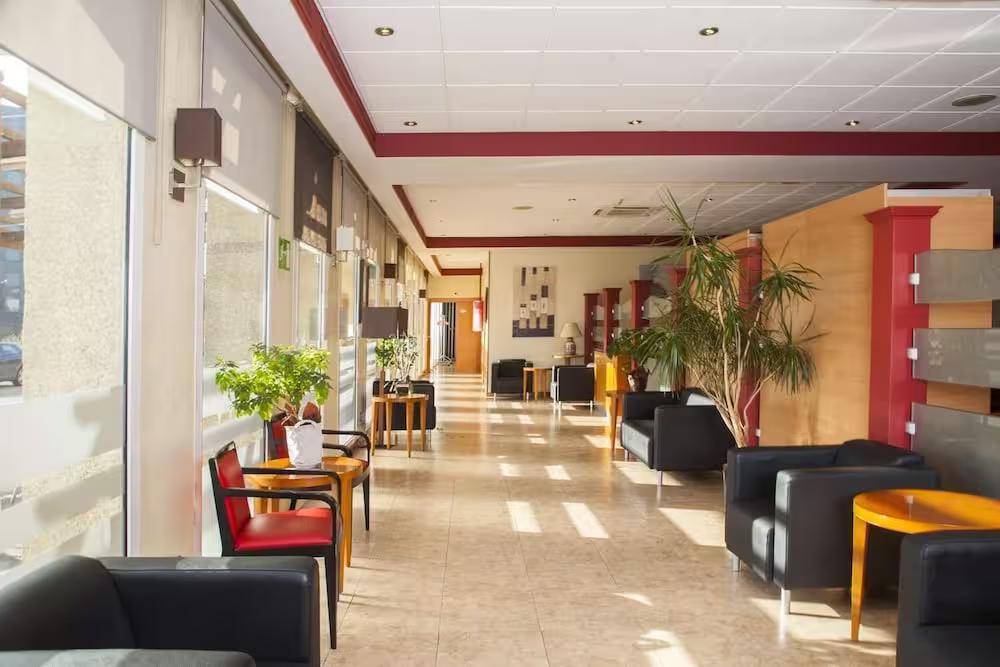 Room Only
Barbera del Valles, Barcelona12.0km from the beach
€149pp
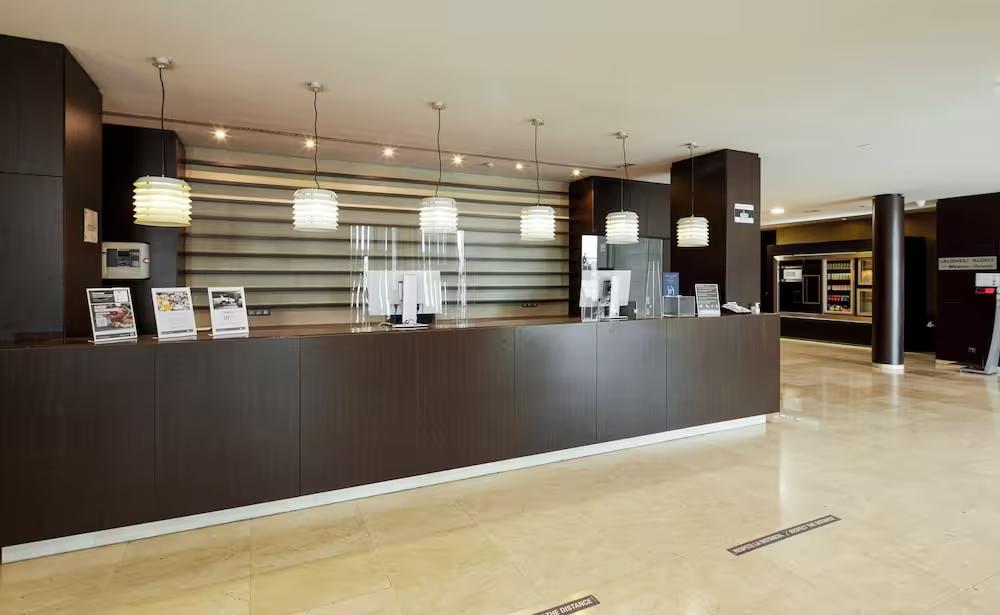 Airport HotelRoom Only
Sant Boi de Llobregat, Barcelona2.0km from the city centre
€149pp
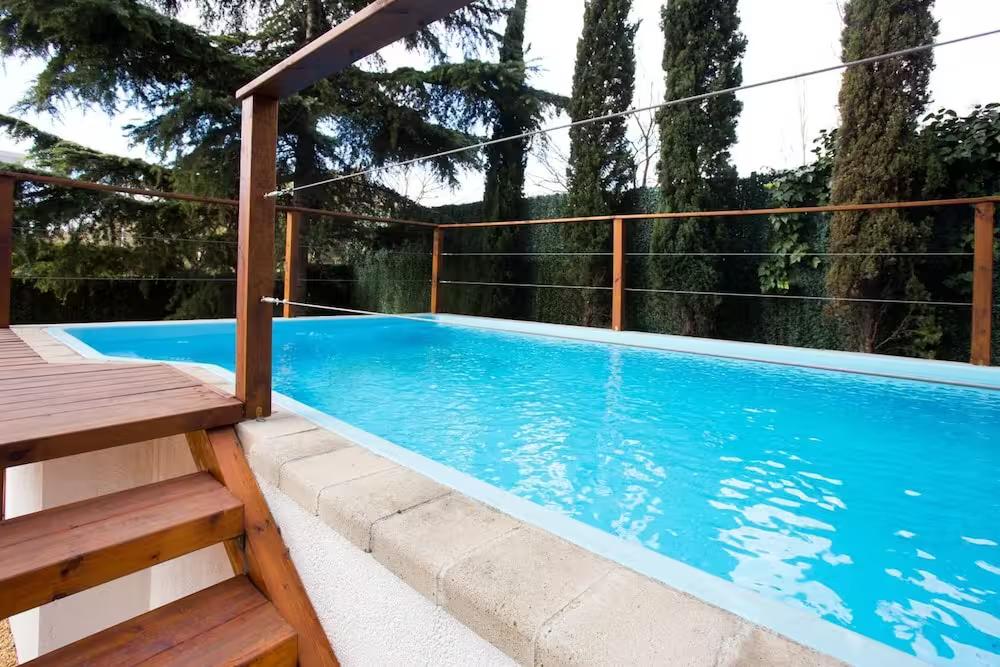 City HotelRoom Only
Mollet del Valles, Barcelona1.0km from the city centre
€149pp
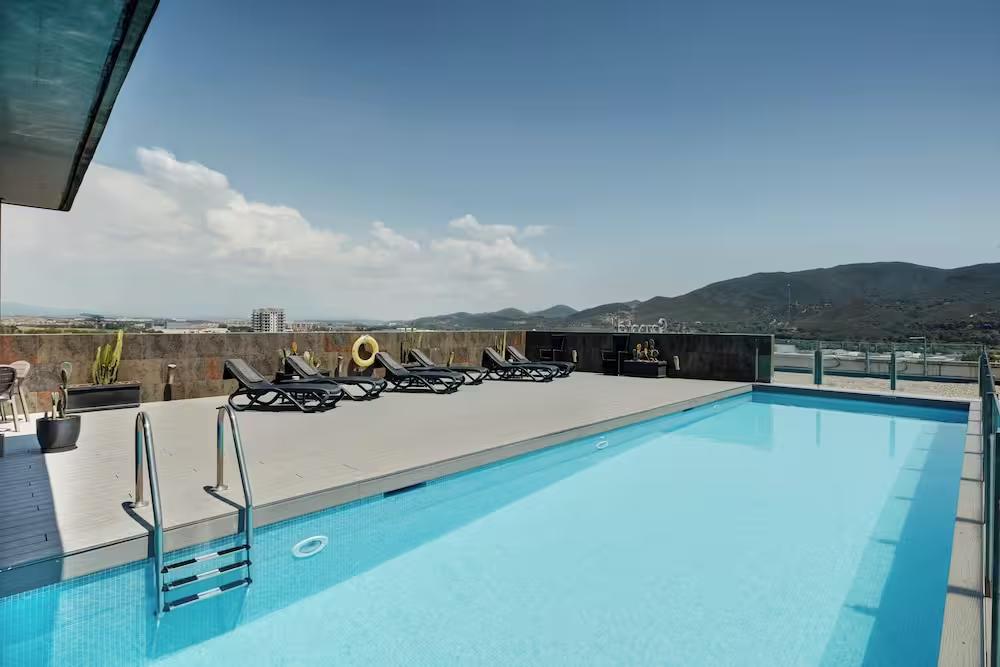 City HotelRoom Only
Montcada i Reixach, Barcelona
€149pp
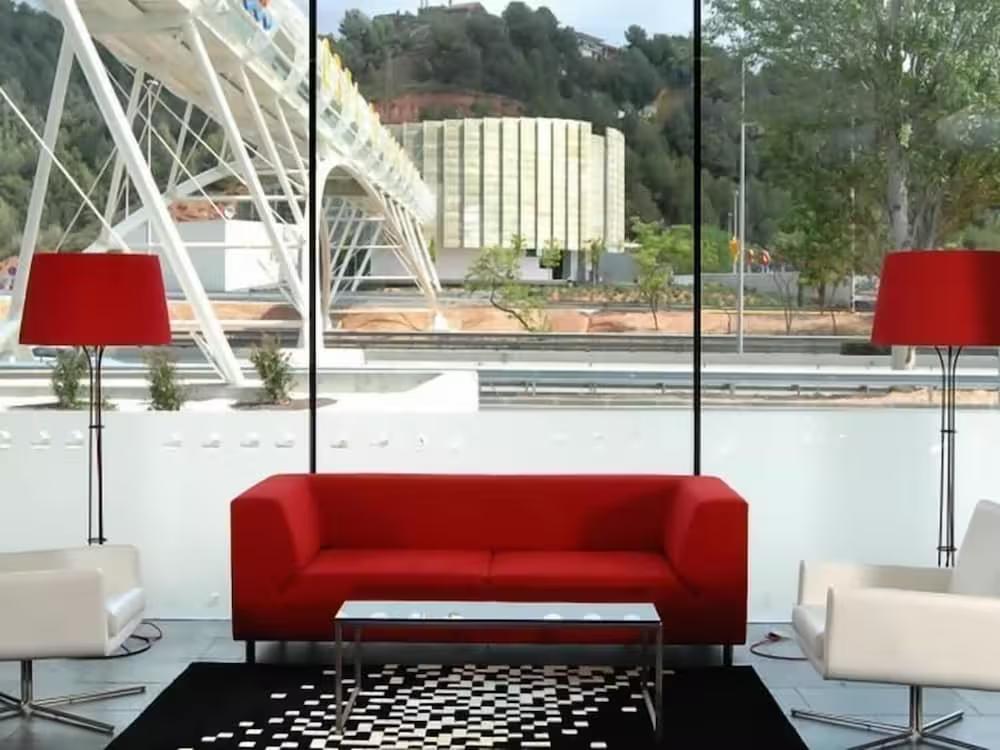 OB
Martorell Area, Barcelona5.0km from the city centre
€149pp
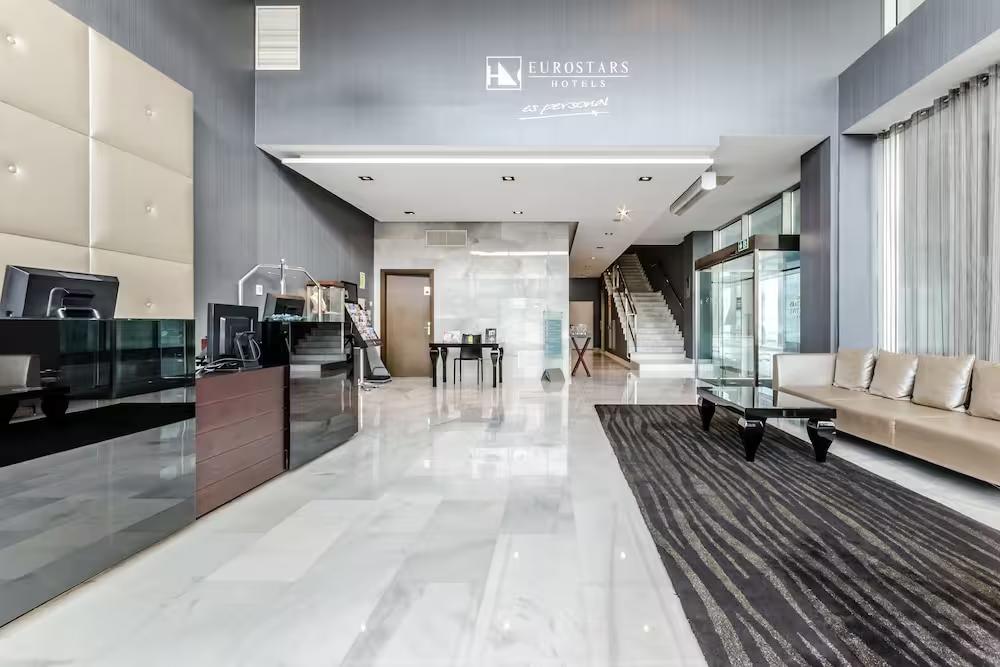 City HotelOB
Barbera del Valles, Barcelona20.0km from the beach
€149pp

Barceloneta beach runs for 1.2 km, a fifteen-minute walk from the Gothic Quarter. Sand, lifeguards, watersports hire, and chiringuitos — not a day trip. For Irish travellers used to separating city breaks from beach time, this is the biggest practical surprise.

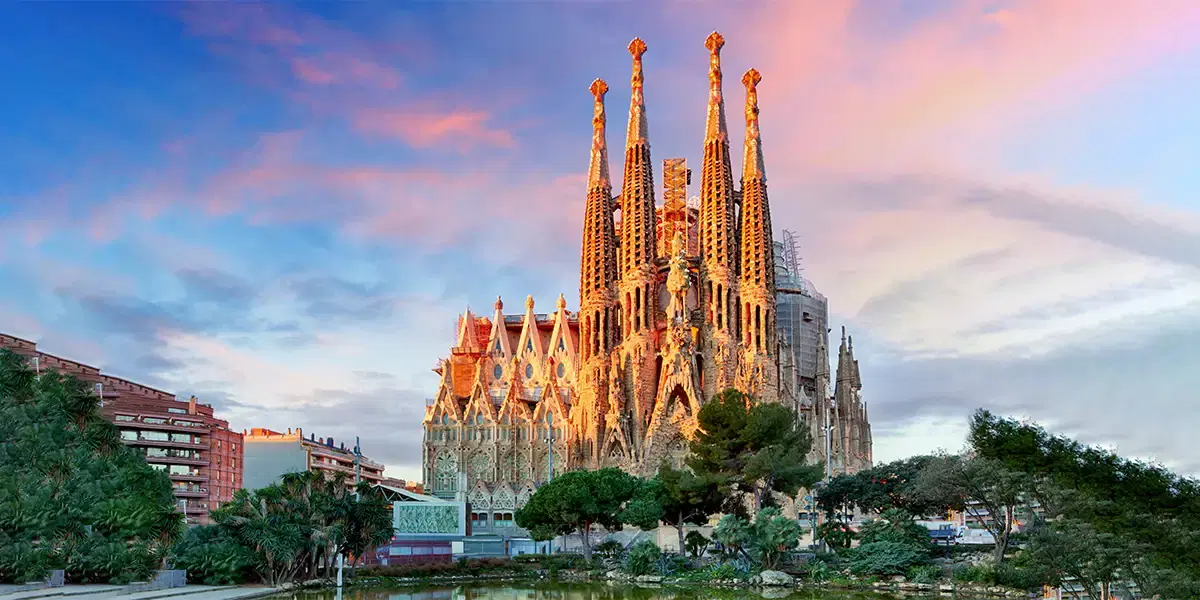
Antoni Gaudí's work defines the city's skyline in a way no single architect defines any other major European destination. The Sagrada Família has been under construction since 1882; Casa Batlló and Casa Milà sit on the same boulevard within a ten-minute walk of each other.

Catalan cooking is distinct from Spanish cooking — specific ingredients, specific preparations, and a strong regional identity. The real eating happens in the side streets of El Born and Gràcia, not on Las Ramblas.

The Picasso Museum holds over 4,000 works in five adjoining medieval palaces in El Born. The MNAC on Montjuïc covers Catalan art from the Romanesque period to the mid-twentieth century. Both reward a half-day.

Montserrat is an hour inland by train. Sitges — quieter coastal town, good beaches, well-kept old quarter — is thirty-five minutes by regional rail. Neither requires a car.

The old city — Gothic Quarter, El Born, Barceloneta — is walkable end to end in under forty minutes. Eixample's grid is easy to navigate on foot or by bike. The metro covers everything else in under twenty minutes.
Barcelona's neighbourhoods each deliver a noticeably different experience, and choosing the right base shapes the whole stay. The best Barcelona top attractions are:
Gothic Quarter (Barri Gòtic): The oldest part of the city, built on the Roman settlement of Barcino. The Barcelona Cathedral, Plaça Reial, and the partially preserved Temple of Augustus are all here — worth at least a half-day on any visit.
El Born: Immediately east of the Gothic Quarter, with the Picasso Museum, independent wine bars, and El Born Cultural Centre — a restored iron market with Roman ruins visible through a glass floor. Most visitors wish they had based themselves here.
Eixample: The nineteenth-century grid district where Gaudí's Casa Batlló and Casa Milà sit on Passeig de Gràcia. The Sagrada Família is at the eastern edge of the grid.
Barceloneta: The old fishermen's quarter on the waterfront, now the city's beach neighbourhood. Seafood restaurants line the Passeig Marítim, and the city's seven urban beaches extend northeast from here.
Gràcia: North of Eixample, with the feel of a separate town — its own squares, its own café culture, and noticeably fewer tourists. Worth an afternoon combined with Park Güell above.
Montjuïc: The hill above the port, with the MNAC, Fundació Joan Miró, the 1992 Olympic stadium, and the Castell de Montjuïc. Cable car or funicular from Paral·lel metro station.
Between the Gaudí landmarks, the Gothic Quarter, the waterfront, and the hill parks, the Barcelona travel guide challenge most visitors face is not what to do but what to leave out.
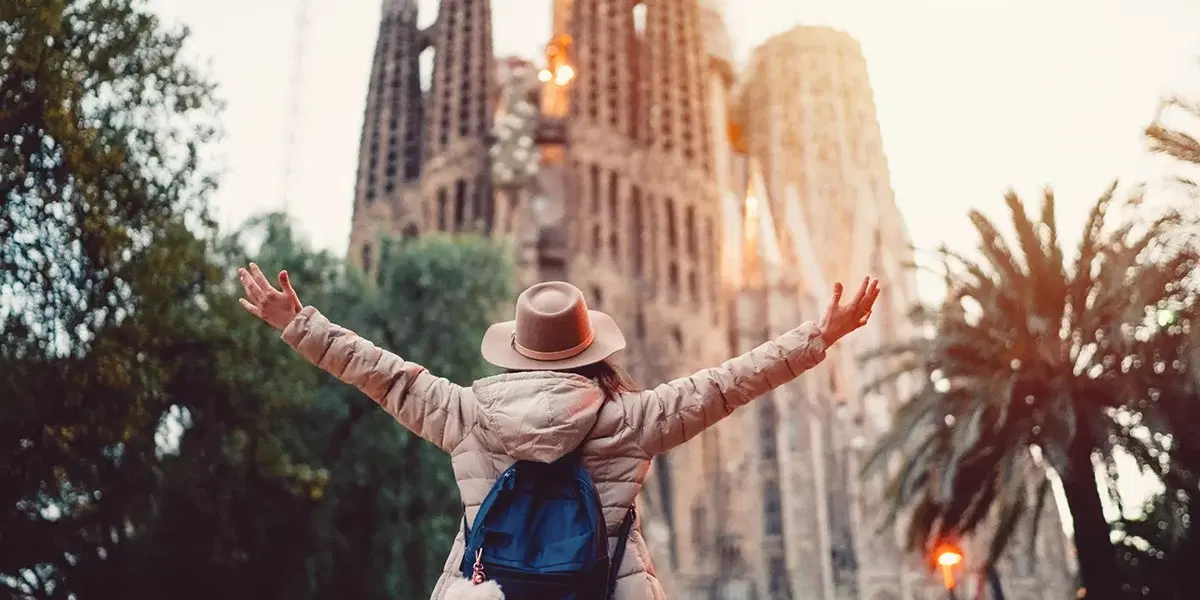
Sagrada Família: Gaudí's basilica has been under construction since 1882 and is expected to complete in the early 2030s. The interior is unlike any other church in Europe — columns designed to mimic a forest canopy, light filtered through stained glass that shifts colour across the floor through the day. Book tickets well in advance; same-day entry is rarely available in peak season.
Park Güell: The Gaudí-designed park above Gràcia, originally planned as a residential development. The Monumental Zone — mosaic terraces, the dragon staircase, and the hypostyle hall — requires a timed entry ticket. The surrounding free parkland gives views over the city. Allow ninety minutes minimum.
Picasso Museum: Over 4,000 works in five adjoining medieval palaces in El Born, covering Picasso's formative years in the city and his Las Meninas series. Less crowded than the Sagrada Família and easier to give proper attention to.
La Boqueria & neighbourhood markets: La Boqueria on Las Ramblas is worth a walk-through for the experience, though locals shop at the Mercat de Santa Caterina in El Born or the Mercat de l'Abaceria in Gràcia. The side streets around El Born deliver better eating at lower prices.
Day trip to Montserrat: The Benedictine monastery sits at 720 m on a serrated mountain range, one hour from Barcelona Sants by FGC train. Still active — the Black Madonna draws pilgrims year-round — and the mountain walks above give views to the Pyrenees on a clear day. Allow a full half-day.
April through June and September through October are the months most customers are happiest with — temperatures between 20°C and 26°C, the beach is usable, and the city is easier to move around than in peak summer. July and August are reliably warm, but the Sagrada Família and Park Güell book out weeks in advance. For school holiday travel, July works well if the main sights are pre-booked.
Weekly in your inbox — handpicked package deals and price drops before they sell out.
Our Privacy Policy