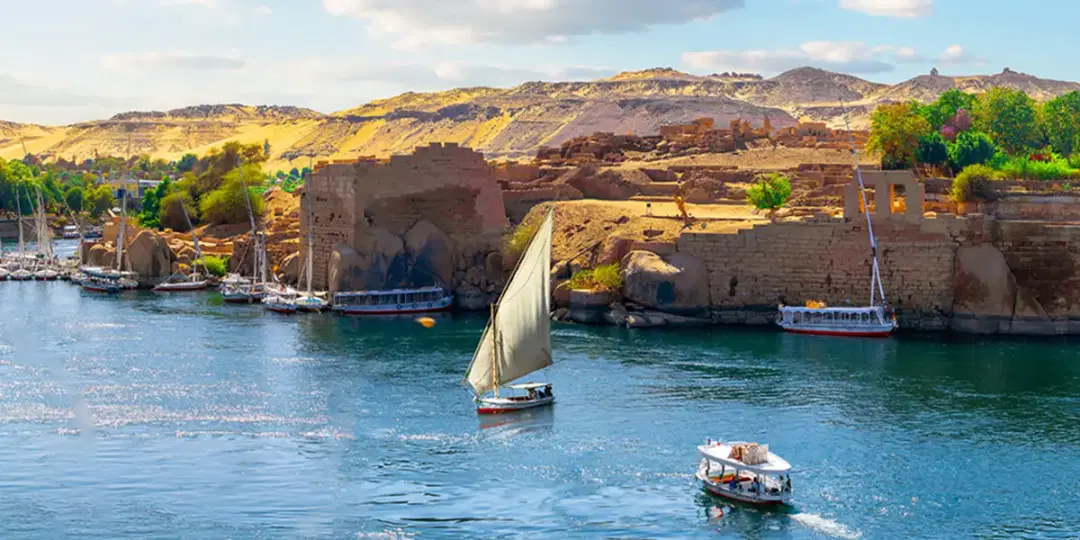
Aswan
Aswan is a city in southern Egypt on the River Nile. It is known for the Aswan High Dam, Philae Temple, Nubian culture and its role as a transport and tourism hub in Upper Egypt.
View DetailsEgypt Holidays


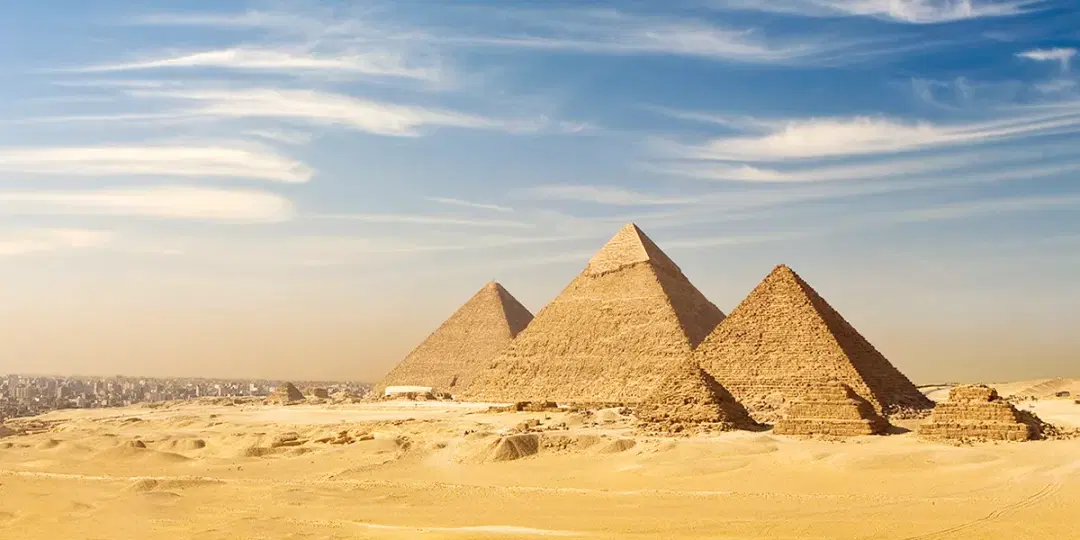
The Pyramids of Giza are the sole survivor of the Seven Wonders of the Ancient World, raised around 2,560 BC and still the largest stone structures ever built. The Great Sphinx sits a short walk away.

A cruise along the Nile reaches Edfu, Kom Ombo, and the Valley of the Kings without a single early-morning coach transfer; the temples come to the boat.

The Grand Egyptian Museum opened fully in November 2025 on the Giza plateau, showing Tutankhamun's complete 5,398-piece collection together for the first time since 1922.

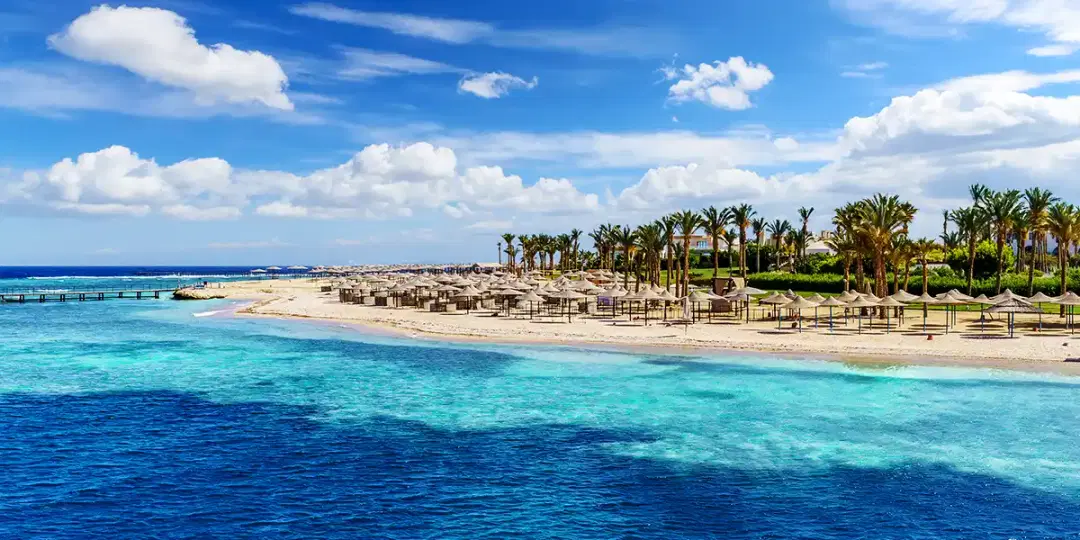
Red Sea resorts average 22–25°C through December and January, with sea temperatures staying swimmable all year — one of the closest dependable winter-sun options to Ireland.

Egypt sits outside the euro, and a weaker local currency means restaurant meals, guides, and taxis cost a fraction of what the same would in Western Europe.

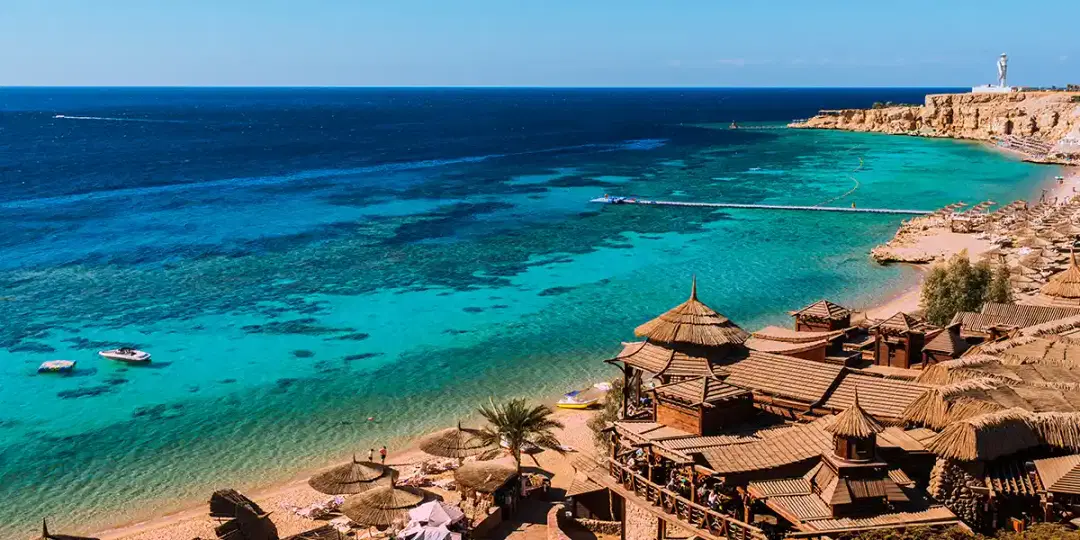
The Red Sea holds some of the clearest, warmest, most coral-rich water anywhere, with sites like Ras Mohammed and the Thistlegorm wreck reachable on day boats from Sharm and Hurghada.
Egypt splits cleanly into two holidays — the Red Sea coast for beaches and diving, and the Nile corridor for temples and cities — and the table below sorts the main bases by what you want from the week.
Hurghada: The largest of Egypt's Red Sea resorts, with a long run of all-inclusive hotels, sheltered swimming bays, and dive boats out to the Giftun Islands and Orange Bay. Family Hurghada Holidays tend to base here for the shallow water, the watersports, and the short transfer from the airport.
Sharm El Sheikh: The dive capital of the Sinai, set on the Red Sea's southern tip with the reefs of Ras Mohammed National Park and Tiran Island offshore. Naama Bay holds the restaurants and the nightlife, and most Sharm El Sheikh Holidays qualify for the free 15-day Sinai entry permit.
Marsa Alam: Further south and far quieter, with low-rise resorts, a newer airport, and some of the best chances in Egypt of swimming with dugongs, turtles, and dolphins at Sha'ab Samadai. A strong pick for divers who want reefs without the resort crowds.
Cairo: The capital pairs the Giza Pyramids and the Grand Egyptian Museum with the medieval lanes of Khan el-Khalili and Islamic Cairo. Short, well-run Cairo Holidays of two or three nights slot neatly onto the front or back of a Red Sea week or a Nile cruise.
Luxor: Built over ancient Thebes, Luxor is the densest concentration of monuments in the country — Karnak, Luxor Temple, and the Valley of the Kings all within a short drive of one another. Most Luxor Holidays run as part of a Nile cruise rather than a standalone beach-style stay.
The far south: Egypt's southernmost tourist town has a gentler, Nubian character — felucca sailboats on the river, Philae Temple on its island, and day trips to Abu Simbel. Most cruises use Aswan as their southern turning point before heading back north to Luxor.
Beyond the loungers and the cruise deck, Egypt packs in some of the most recognisable sights on earth — and a few that most package trips skip.
The Giza Pyramids & Sphinx: The three great pyramids and the Sphinx sit on a plateau on the edge of Cairo; you can go inside the Great Pyramid of Khufu, ride a camel along the desert ridge, or stand back at the panorama point. Early morning beats both the heat and the crowds.
The Grand Egyptian Museum: Egypt's flagship museum opened fully in November 2025 beside the Pyramids, with over 100,000 artefacts and the entire Tutankhamun collection — the gold mask, the nested coffins, and thousands of pieces shown together for the first time. Allow at least half a day.
Valley of the Kings: On Luxor's west bank, the rock-cut tombs of pharaohs including Tutankhamun and Ramses VI still carry their original painted colour. A standard ticket covers three tombs; the headline tombs are ticketed separately.
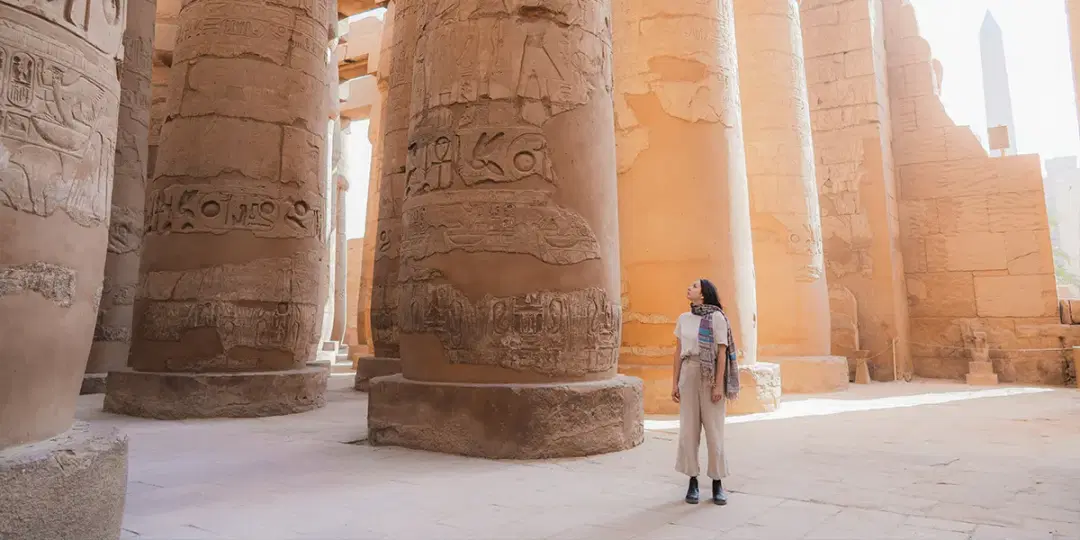
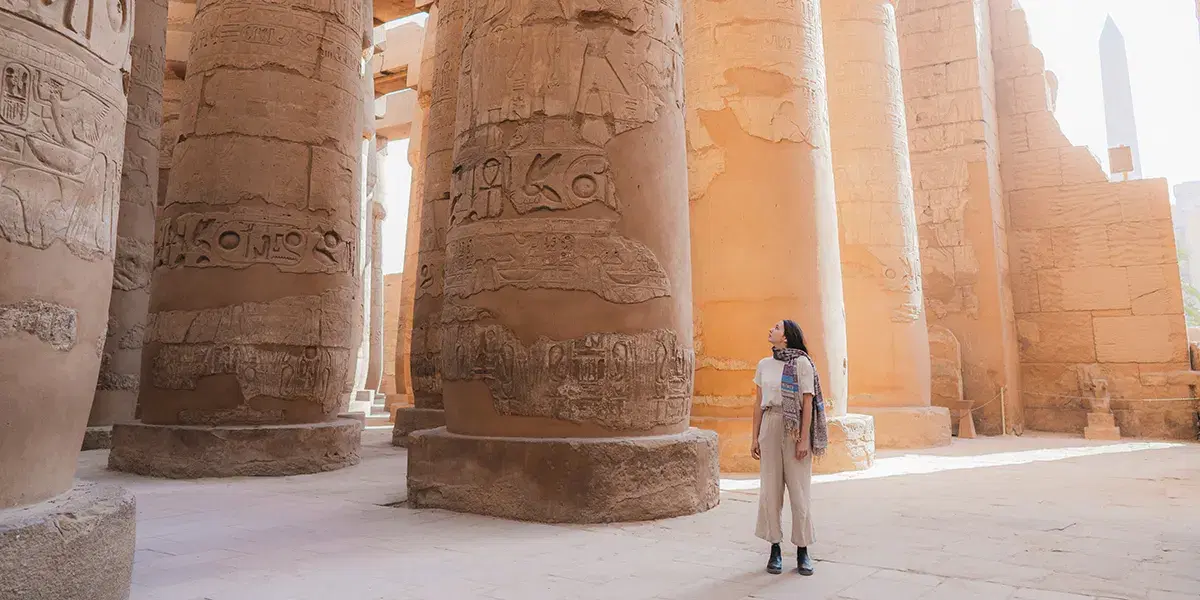
Karnak & Luxor Temples: Karnak is the largest religious complex ever built, its Hypostyle Hall filled with 134 giant columns. Luxor Temple, floodlit after dark, is an easy evening walk from the town's hotels.
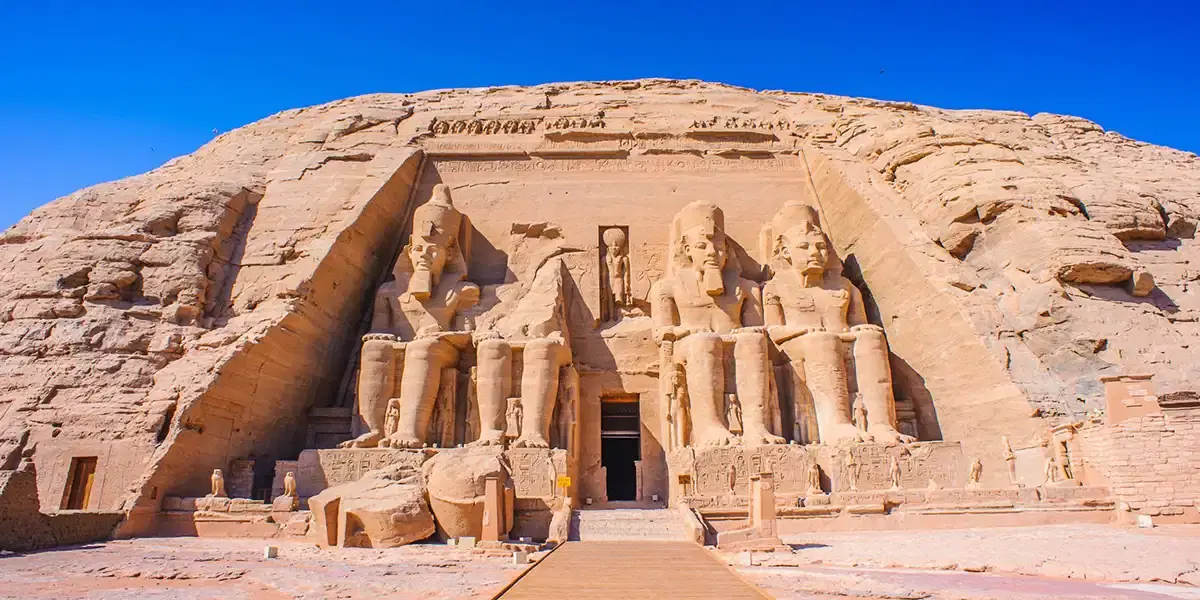
Abu Simbel: Ramses II's colossal rock temple, moved block by block in the 1960s to escape the rising waters of Lake Nasser, sits three hours south of Aswan. Twice a year the dawn sun reaches the inner sanctuary — a feat of ancient engineering that still draws a crowd.
October to April is the sweet spot — warm, dry, and comfortable for sightseeing at the Pyramids and along the Nile, with daytime temperatures around 20–28°C. The Red Sea resorts work all year, including winter sun from November to March. July and August are very hot inland but still busy for Egypt holidays built around the beach.
Check out some of our most popular destinations