Aswan Holidays

Aswan is home to some of Egypt's most iconic historical landmarks, including the famous Philae Temple and the awe-inspiring Abu Simbel. The city’s history is deeply tied to ancient Egypt, and exploring its temples, tombs, and monuments offers a fascinating glimpse into the past.

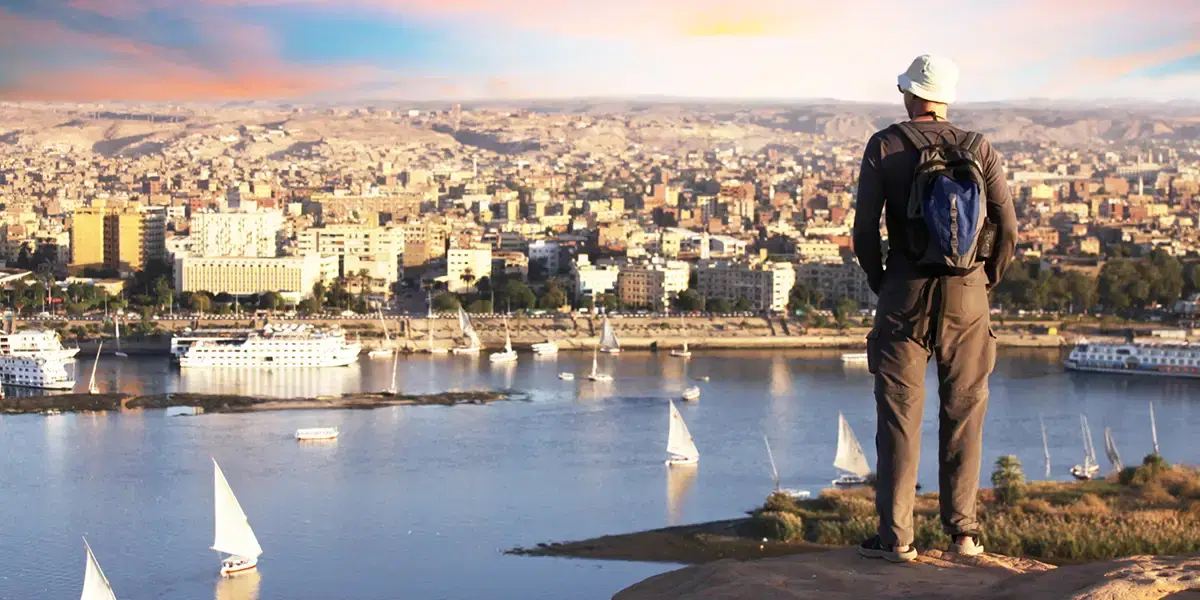
The scenery in Aswan is simply breathtaking. The calm waters of the Nile, surrounded by lush greenery and desert landscapes, create a peaceful and picturesque setting. Whether you’re relaxing by the river or exploring nearby islands, the natural beauty of Aswan makes it a perfect place to unwind.

Aswan offers a rich blend of cultures, especially through its Nubian heritage. You can visit traditional Nubian villages, experience the warmth of the local people, and learn about the customs and traditions of the Nubian community. These experiences add a special, personal touch to your holiday.

Unlike the hustle and bustle of larger cities like Cairo, Aswan offers a calm and relaxed atmosphere. It’s the ideal place to escape the crowds and enjoy a slower pace of life. Whether you’re exploring historical sites, enjoying a boat ride on the Nile, or simply relaxing in a café, Aswan is perfect for unwinding.

Aswan is famous for its stunning sunsets, which you can enjoy from a boat ride on the Nile or a riverside café. The views are magical, especially as the sun sets over the river and the surrounding desert. A boat ride on a traditional felucca boat adds a special, romantic touch to the experience.

Whether you're looking for a romantic getaway, a family holiday, or a cultural adventure, Aswan has something for everyone. The city’s blend of history, culture, and natural beauty makes it a versatile destination that suits a variety of travel preferences.
Things To Do in Aswan
Aswan is a city full of fascinating activities, making it an ideal destination for those on Aswan holidays. From ancient temples to relaxing boat rides along the Nile, there’s plenty to see and do. Here are some of the top things to do during your holidays to Aswan:
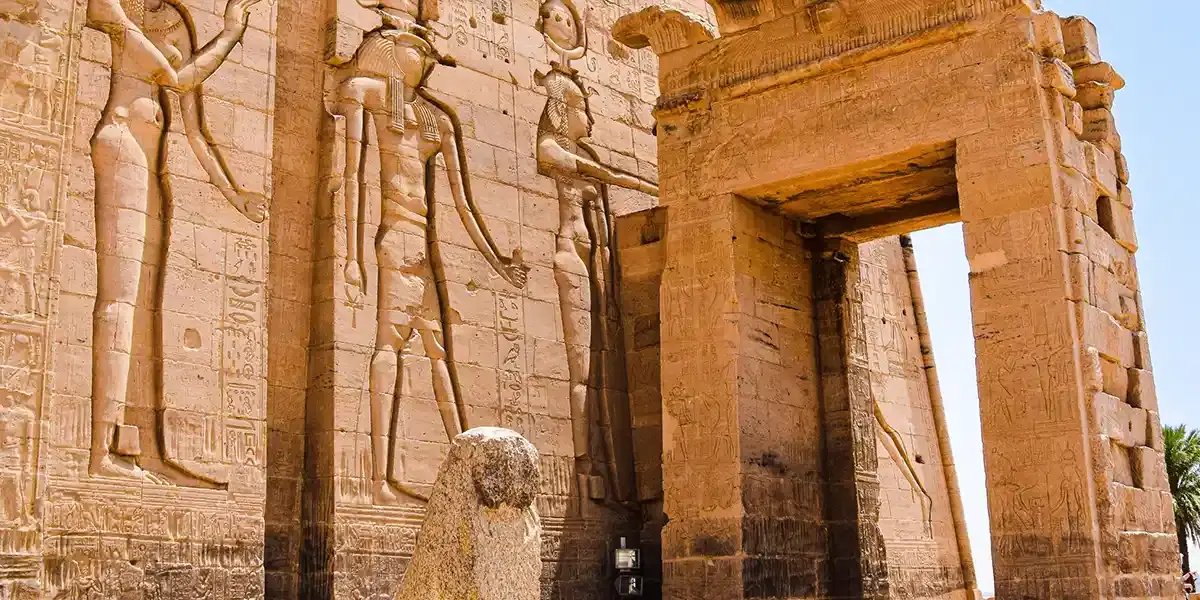
Visit Philae Temple: Philae Temple, dedicated to the goddess Isis, is a must-see. The temple is located on an island in the Nile, and you can reach it by boat. It’s an incredible spot to learn about ancient Egyptian culture and admire beautiful architecture.
Take a Boat Trip to Abu Simbel: One of the highlights of Aswan holidays is a visit to the Temple of Abu Simbel. This famous site, carved into the mountainside, is home to giant statues of Ramses II. It’s a bit of a journey, but definitely worth it for the impressive views and historical significance.
Explore the Nubian Museum: For those interested in history, the Nubian Museum offers a fascinating look into the culture and history of the Nubian people. It’s an excellent place to learn more about the region and its ancient connections to Egypt.
Stroll Through Aswan’s Local Markets: The bustling markets in Aswan offer a variety of local goods, including spices, textiles, and handmade crafts. It’s a great place to pick up souvenirs and experience the lively atmosphere of the city.
Relax by the Nile: Aswan’s relaxed pace makes it the perfect place to unwind. Enjoy a peaceful boat ride on the Nile, or simply sit by the water and take in the views. This serene environment is perfect for relaxation.
Visit the Unfinished Obelisk: The Unfinished Obelisk offers a glimpse into ancient Egyptian stone-working techniques. This massive obelisk, which was abandoned during its construction, gives insight into the size and scale of ancient Egyptian monuments.
History, Culture and Nightlife in Aswan
History: Aswan holds a key place in Egypt’s history. It’s home to many ancient Egyptian monuments and sites, such as the famous Philae Temple, dedicated to the goddess Isis, and the Temple of Abu Simbel, which was carved into the mountainside by Ramses II. You can also visit the Unfinished Obelisk, an ancient project that shows how Egyptian craftsmen worked with massive stone blocks. These historical sites make Aswan a perfect destination for anyone looking to step back in time and learn about ancient Egypt’s rich past.
Culture: Aswan’s culture is influenced by its Nubian roots, which can be seen in the architecture, art, and music of the region. The Nubian Museum is a great place to explore this heritage, with its collection of artefacts, artworks, and exhibits that tell the story of the Nubian people. The local markets, or souks, are vibrant and filled with spices, jewellery, textiles, and traditional handicrafts, offering visitors a chance to experience the region’s lively culture firsthand.
The Nubian people are known for their welcoming nature and vibrant traditions, which are still celebrated in Aswan today. You might even have the chance to hear Nubian music, which features unique instruments and rhythms that have been passed down through generations.
Nightlife: Unlike Egypt’s bustling cities like Cairo, Aswan’s nightlife is more relaxed, reflecting the tranquil atmosphere of the city. You won’t find many large clubs or bars, but there are still plenty of ways to enjoy the evening. Many of the hotels and restaurants along the Nile offer outdoor seating, where you can enjoy a meal or drink while taking in the stunning views of the river.
For a unique experience, consider taking a traditional felucca boat ride at sunset. The boat ride offers a peaceful way to admire the scenery and the city’s skyline as the sun sets behind the hills. Some hotels also offer live music or cultural performances, where you can enjoy traditional Egyptian music in a relaxed setting.
The best time to visit Aswan is during the cooler months, from October to April. During this period, the weather is much more comfortable for sightseeing and outdoor activities, with daytime temperatures averaging between 20°C and 30°C. In contrast, summer months (May to September) can be extremely hot, with temperatures often exceeding 40°C, making it difficult to enjoy outdoor tours.