Lanzarote
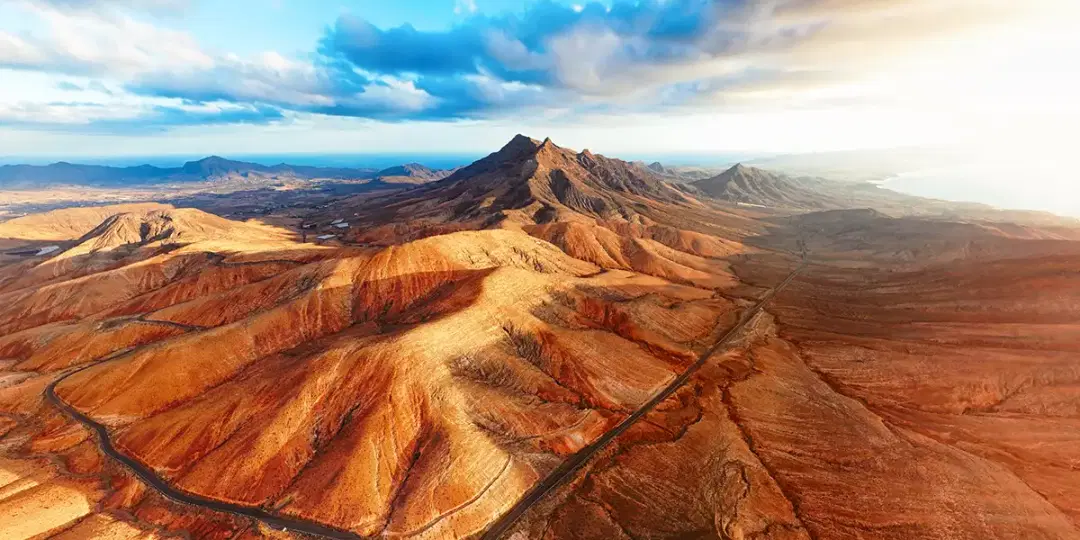
Lanzarote is one of Spain’s Canary Islands in the Atlantic Ocean. It is known for volcanic terrain, lava fields, protected natural areas and landscapes shaped by historic eruptions.
View DetailsCanary Islands Holidays


Average daytime temperatures sit between 21°C in January and 28°C in August. Rain is rare outside La Palma and La Gomera, and the odds of a difficult week here are lower than almost anywhere else reachable on a four-hour flight from Ireland.

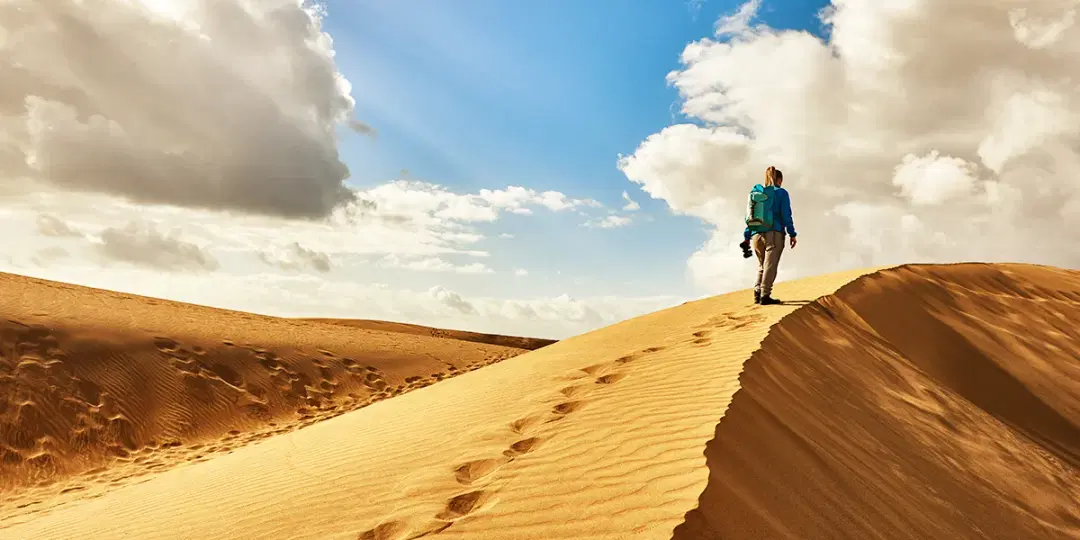
Fuerteventura is defined by its Atlantic dunes and wind — unmatched for kitesurfing and long beach walks. La Palma is green, forested, and built for walkers and stargazers. Gran Canaria fits desert dunes, pine forests, and a city into one island. Each is different enough that repeat visitors regularly work through the whole archipelago.

Tenerife's Mount Teide rises to 3,715 m — the highest peak in Spain and one of the largest volcanic structures on Earth. Lanzarote's Timanfaya National Park is an active volcanic field where heat vents from the ground at over 400°C just a metre below the surfac

Most major resorts on Tenerife South, Gran Canaria, and Lanzarote are within 20–40 minutes of the airport. You are at the pool within the hour.

The range of properties — from modest self-catering apartments to full-service resort hotels — is wider than most comparable Atlantic destinations. Shoulder months in particular offer serious value without any sacrifice on weather.

As part of Spain and the EU, the Canaries require no visa for Irish citizens, accept the EHIC for emergency medical care, and use the euro throughout. The administrative overhead of the trip is minimal.
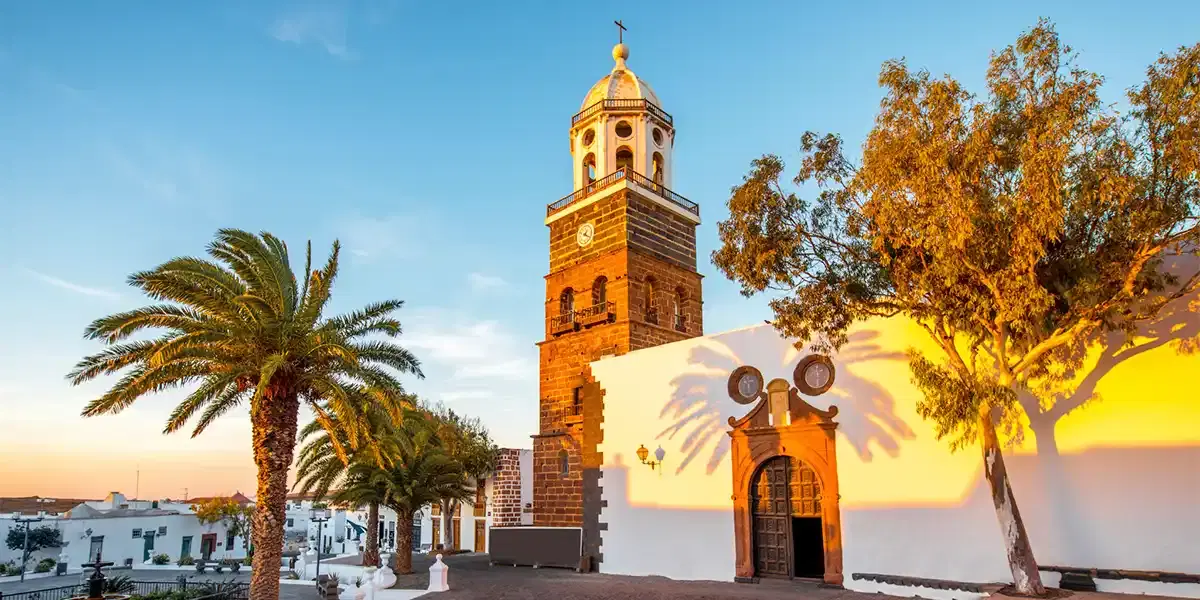

Matching the right island — and the right resort — to the right group is the decision that shapes the whole trip.
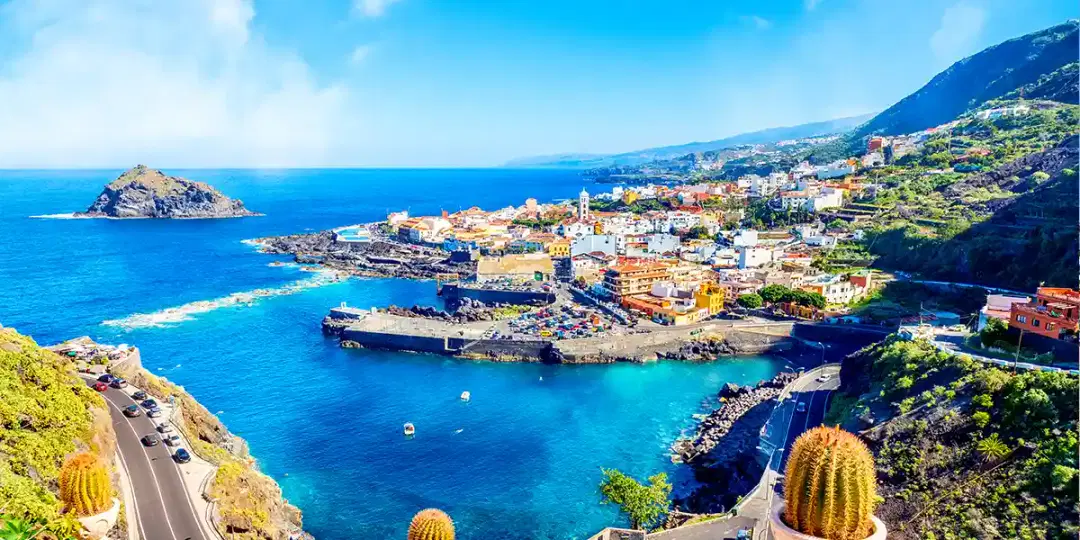
Costa Adeje, Tenerife South: The most polished resort area on the island — a wide promenade, calmer beaches than Playa de las Américas, and the highest concentration of four- and five-star hotels on Tenerife. Siam Park, rated among the best waterparks in Europe, is within easy reach. A strong performer for both families and couples.
Corralejo, Fuerteventura: A working town that has kept more of its original character than most Canary resort strips. The Corralejo Natural Park — a protected dune system stretching south from the town — is one of the most impressive beach environments in the Atlantic. Worth considering for travellers looking at cheap holidays to Canary Islands that do not feel cheap in experience.
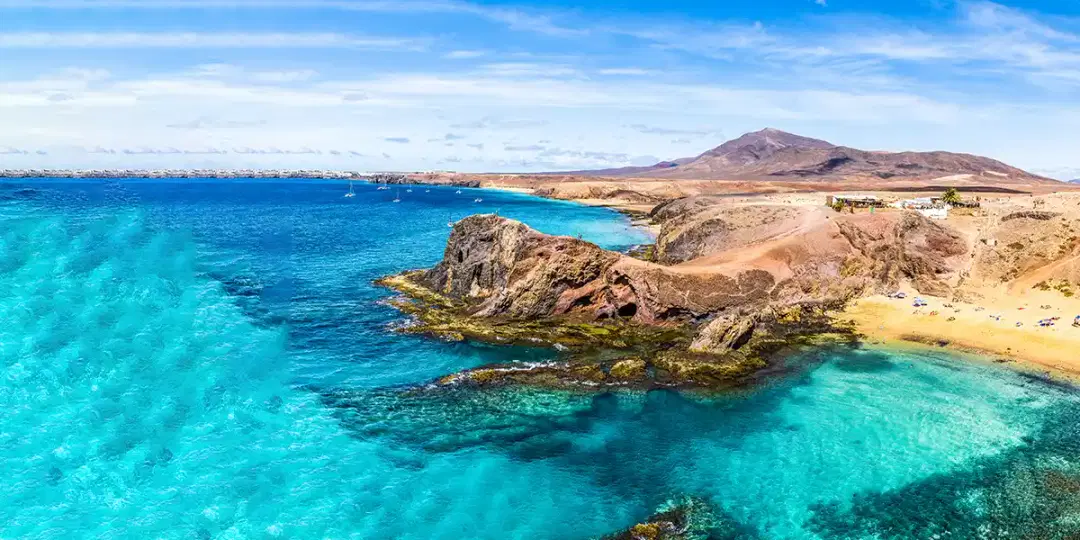
Puerto del Carmen, Lanzarote: The main resort on Lanzarote, stretching along 5 km of dark volcanic-sand beach. Lively enough for a sociable week but a practical base for Timanfaya, La Geria's wine region, and the Jameos del Agua cave system.
Maspalomas, Gran Canaria: Anchored by a protected dune system that runs directly to the sea. One of the longest unbroken beach walks in the Canaries and a wide demographic range — suits couples, families, and older travellers equally.
Between volcanic national parks, Atlantic whale-watching routes, and a coastline that changes character island by island, there is a full week's worth of activity beyond the sun lounger.
Mount Teide, Tenerife: Spain's highest peak and a UNESCO World Heritage Site. The cable car rises to 3,555 m; a summit permit is required for the final walk to the crater rim — book well in advance. The view above the cloud layer at dawn is one of the most consistently praised experiences guests return with.
Timanfaya National Park, Lanzarote: An active volcanic field where the interior is accessible only by guided bus — which keeps visitor numbers controlled. The visitor centre restaurant cooks over geothermal heat; a detail that lands differently once you have seen the landscape itself.
Whale and dolphin watching: The waters between Tenerife and La Gomera hold one of the most reliable year-round populations of pilot whales in the world. Boats from Los Cristianos run most mornings; guests consistently rate this among the best hours of the trip.
Masca Gorge walk, Tenerife: A descent through a dramatic ravine from the village of Masca to a black-sand beach on the northwest coast — around two and a half hours one-way. Boats collect hikers from the beach. Advance permits are now required to access the Masca village road.
Cueva de los Verdes, Lanzarote: A lava tube formed over 3,000 years ago, part of the longest known lava tube system in the world. Guided tours run through the illuminated interior — worth an afternoon, particularly on a day when the beach is less appealing.
December to February is the peak season for Irish travellers — daytime temperatures stay above 20°C even in January and the sea is warmer than anywhere else reachable from Ireland in winter. May, October, and early November offer very good value with no meaningful weather trade-off. July and August are hot and busy — right for families on school timetables, but the most expensive and most crowded time of year.
Check out some of our most popular destinations