Maldives Holidays


Visibility in the Maldives regularly reaches 20 to 30 metres in the dry season. The Indian Ocean current keeps the water between 28°C and 30°C year-round.

The architecture is built around the water rather than the beach. Glass floors, direct ladder access to the lagoon, and outdoor showers over the ocean are standard at mid-range and above.

Many resort islands have a live coral reef accessible directly from the beach or villa jetty — no boat, no schedule.

Most resort islands are single-property atolls. Once you are there, the island is yours — no public beach, no passing foot traffic, no noise from neighbouring resorts.

Manta rays, whale sharks, reef sharks, sea turtles, and schools of reef fish are routine sightings rather than rare encounters. The Maldives sits in one of the most biodiverse marine zones on the planet.

Unlike all-inclusive resorts in other destinations, the Maldives version typically includes premium spirits, fresh seafood, and non-motorised watersports as standard.
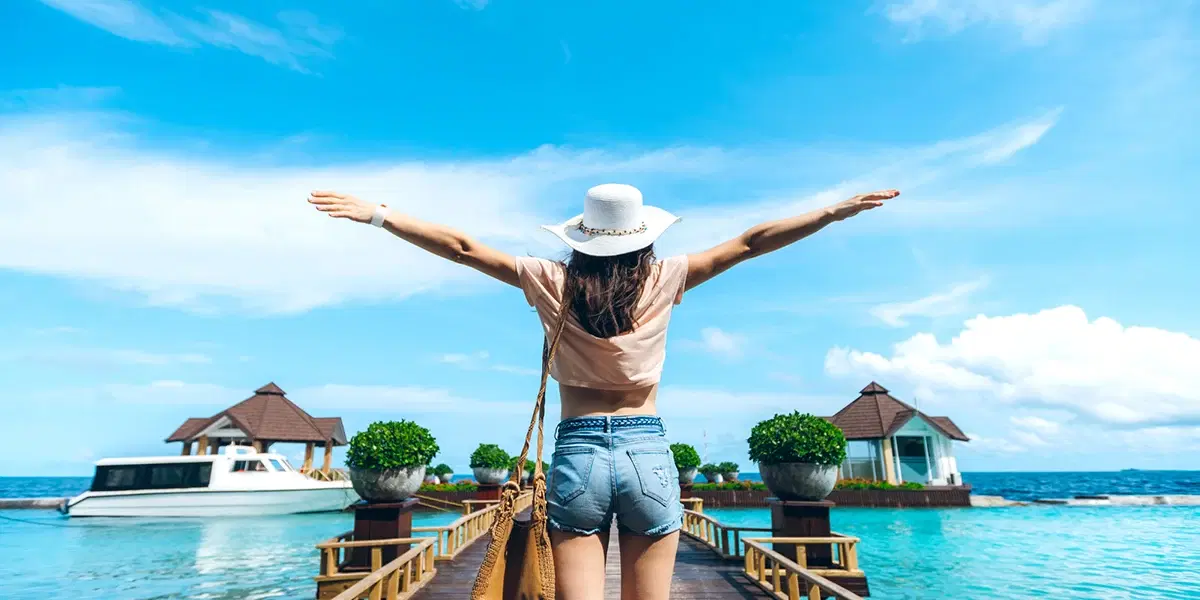
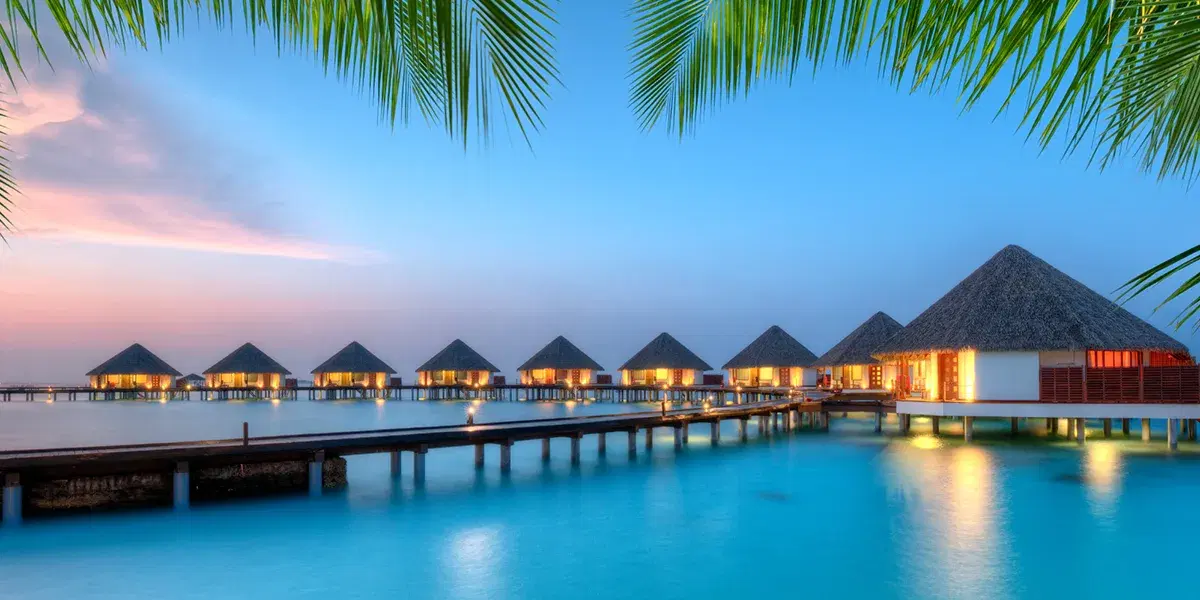
The destination divides clearly by atoll and island type — and choosing the right one shapes every day of the trip.
Malé and North Malé Atoll: The capital island sits just minutes from Velana International Airport and is worth a half-day if you have time between transfers — the fish market, the old Friday Mosque, and the waterfront are all within easy walking distance. The surrounding atoll holds some of the most accessible Maldives holiday packages on the market, with speedboat transfers under 45 minutes keeping costs manageable.
Baa Atoll — UNESCO Biosphere Reserve: Hanifaru Bay in Baa Atoll is one of the world’s most significant manta ray feeding sites, with aggregations of 200 or more rays documented between June and November. Resort access to the bay is regulated — a detail worth confirming before booking.
South Ari Atoll: The consistent presence of whale sharks around Maamigili Island makes this the atoll of choice for divers and snorkellers with specific marine wildlife goals. Daily whale shark excursions run year-round, with sighting rates the highest in the Maldives.
Lhaviyani Atoll: About 35 minutes by seaplane from Malé, Lhaviyani holds some of the strongest house reefs in the country alongside resorts that balance design and value well. Kanuhura and Kuredu are the most established names here.
Local island guesthouses: Maafushi, Thulusdhoo, and Rasdhoo are among the local islands with established guesthouse infrastructure — the most practical route to cheap Maldives holidays without sacrificing reef access or water quality. Bikini beaches are designated per island; modest dress applies in village areas.
Beyond the villa and the reef, there is a structured activity layer that most resorts handle well — and a handful of experiences worth planning specifically around.
Snorkelling and diving: Every resort with a house reef offers guided snorkel trips and introductory dives. PADI open water courses run across most mid-range and above properties. South Ari and Baa Atolls are the strongest dive destinations; North Malé Atoll suits newer divers with shallower, calmer sites.
Manta ray and whale shark excursions: Hanifaru Bay manta aggregations in Baa Atoll run June to November, and Maamigili whale sharks in South Ari are a year-round encounter. Both require advance booking through your resort — spaces on regulated excursions are limited and fill early.
Sandbank and deserted island picnics: Most resorts can arrange a half-day or full-day transfer to a private sandbank — a strip of white sand in open water, no shade, no facilities, no other guests. Popular for anniversary and honeymoon guests; worth asking about when booking.
Sunset dolphin cruises: Dhow cruises departing at around 5 pm track spinner dolphin pods in the open water between atolls. Sighting rates are high across the dry season — a reliable evening activity across almost every atoll.
Watersports: Jet-skiing, kitesurfing, wakeboarding, and stand-up paddleboarding are standard at larger resorts. Kitesurfing conditions are strongest between December and April when the northeast monsoon brings consistent flat-water wind. Resorts in Lhaviyani and South Malé Atoll have the most developed kitesurfing infrastructure.
The peak window for Maldives holidays is November to April — clear skies, calm seas, and the strongest visibility for diving and snorkelling. December and January are the peak weeks; May and October are the best value months with reliable weather and noticeably lower resort rates. June to October brings the southwest monsoon — occasional rain and choppier seas on exposed atolls, but lower prices and the manta ray aggregations at Hanifaru Bay are a specific draw.